Ukraine receives international aid for social payments, but part of the funds have not been used — MP


Social payments in Ukraine are largely provided by international support, but part of the budgetary funds, including in the regions, are not utilised.
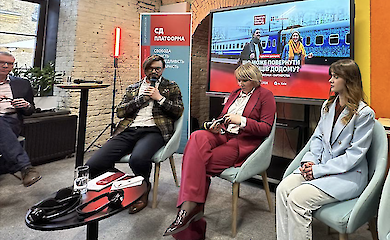
This was stated by MP Pavlo Frolov during the Social Forum organised by the Social Rukh organisation.
According to Frolov, Ukraine devotes its main domestic resources to defence, which is why international partners cover a significant part of social expenditures - pensions, salaries for state employees and assistance to internally displaced persons (IDPs).
Previously, these were grant funds that did not have to be repaid. Today the support continues, but the situation remains difficult," he said.
This is about funding basic humanitarian needs against the backdrop of a major crisis:
- about 4.6 million IDPs;
- more than 6 million Ukrainians abroad;
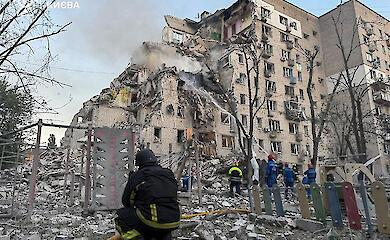
- millions of people who have lost their homes or remain in the occupied territories.
According to estimates by international institutions, the total needs for Ukraine's reconstruction reach about 500bn euros.
Funds are available - not always used effectively
Despite significant amounts of funding, some funds are not utilised locally. Frolov acknowledged that this is one of the key problems.
In particular, in 2025, only about 53% of the subventions allocated for housing programmes for IDPs were spent. The rest of the funds returned to the state budget.
This, of course, is unacceptable, especially when millions of people are in need of housing," the MP emphasised.
He stressed that he was working with the regions to ensure the full use of funds and to avoid the repetition of such situations.

Payments to critical infrastructure workers
The MP also mentioned the law on compensation for critical infrastructure workers affected by the war. The law provides for payments:
- 1 million UAH - to the families of the victims;
- up to 800 thousand UAH - in case of disability of group I;
- 500 thousand UAH - II group of disability;
- uAH 200,000 for group IIII disability.
Frolov stressed that the law initially worked ineffectively due to legal gaps, but after the changes the situation improved - now up to 70 per cent of applications are satisfied.

Recent legislative changes have expanded the range of persons entitled to compensation, including workers of critical infrastructure facilities. The procedures for confirming the status of victims have also been simplified. Frolov noted that there are already cases of reconsideration of previously rejected applications and gradual increase in the number of payments.
Why there is a problem
According to Frolov, international aid and state resources are channelled to:
- payment of pensions and salaries in the public sector;
- support for IDPs;
- housing programmes for people who have lost their homes;
- compensation for war victims.
In total, more than 22.5 billion hryvnias were allocated for such programmes, with several billion more allocated through local budgets.
Among the reasons for the inefficient use of funds, the MP named:
- bureaucratic procedures on the ground;
- insufficient coordination between the central and local authorities;
- complexity of implementation of housing programmes.
Without a systematic approach we will not be able to solve the problem of people who have lost their housing. The scale of this problem is millions of families," he said.
The MP stressed that the efficiency of the use of funds on the ground remains a challenge that requires systemic solutions and control.

Expert on women's rights, persons with disabilities, motherhood in the modern context, health care reform, education and social welfare.
Related news

Why migration policy in Ukraine is becoming a matter of rebuilding the country


The Ombudsman's representative named the main problems of IDPs: housing, work, and reduction of benefits


“Want extra pay? Go to the trenches." Why Ukrainian medical staff in frontline areas are not receiving the promised payments
Popular news
Ukrainian security services have been recognised as among the best intelligence services in Europe – L'Express



Irina Levchenko, the abducted Ukrainian journalist, has been transferred to the Donetsk remand centre: what is known


Evidence has been found in Australia of an unusual ritual that has been practised for thousands of generations

News about war

The UN has reported a sharp rise in the number of Ukrainian civilians killed as a result of the war

3 July has been declared a day of mourning in Kyiv. The number of dead and injured is rising