
Today Ukraine will host the second summit of the Crimean Platform


This year, about 60 foreign countries and organizations have confirmed their participation in the summit.
This year will be more guests at the summit than last year: more than 60 foreign participants [countries and organizations] have confirmed their participation in the forum. For security reasons, the event will be held online.
The Crimean Platform is the first central international negotiating platform for Ukraine on the de-occupation of Crimea. Last year, the founding summit of the Crimean Platform in Kyiv brought together representatives of all NATO and EU countries and caused significant irritation in Russia. Forty-six international delegations attended it.
According to Ukrainian Foreign Minister Dmitry Kuleba, the decision to hold the second summit of the Crimean Platform, even during the war, is fundamental.
“We want to send an obvious signal: even if – in theory – the enemy will again stand near Kyiv, we will still plan the de-occupation of Crimea. It is essential to understand that no matter how difficult, we must always think strategically - the time will come when we de-occupy our territories. And the summit of the Crimean platform is a signal of exactly this,” the minister said.
The following have confirmed their participation in the summit:
- German Chancellor Olaf Scholz
- Canadian Prime Minister Justine Trudeau,
- Japanese Prime Minister Fumio Kishida
- NATO Secretary General Jens Stoltenberg
- Maria Pejcinovic-Buric, Secretary General of the Council of Europe.
The Crimean Platform Summit 2022 will focus on the following main topics:
- the role of the temporary occupation of Crimea in the deployment of full-scale aggression against Ukraine;
- joint efforts aimed at restoring security and stability in the region of the Black and Azov Seas;
- further steps in response to Russia's violations of human rights and international humanitarian law in Crimea, in particular against ethnic Ukrainians and Crimean Tatars;
- strengthening the policy of non-recognition of any change in the international legal status of Crimea;
- the effectiveness of sanctions, their strengthening, and prevention of circumvention.
Artur Zayonts specialises in news from the frontline. A historian by education, Arthur has always sought to bring depth and context to his journalistic work.
Related news

The President of Lithuania may act as a mediator between Ukraine and Poland

Strikes on both sides of the Crimean Bridge: Zelenskyy announced that Russia’s key logistics and air defence systems had been destroyed

"I work at a supermarket checkout because I don't want to be woken up by patients calling at night." How Ukrainians work in Poland now


Russia has little time left, Europe even less. What the Western media say about the possible end of the war
Popular news
An antidote to one of the most potent marine venoms has been found in frogs

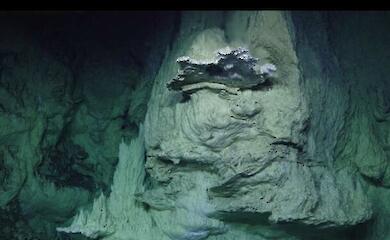
Traces of water heated to 300 degrees have been found near the “Lost City”


Navrotsky has announced a ban on the red-and-black flag in Poland: what will change
News about war

The UN has reported a sharp rise in the number of Ukrainian civilians killed as a result of the war



3 July has been declared a day of mourning in Kyiv. The number of dead and injured is rising