
Can't be underestimated. Ukrainian border guards told how many Russian troops are in Belarus


Now there are about 9-10 thousand Russian military personnel on the territory of Belarus. They train there or take part in joint exercises.
This was reported by the Ukrainian State Border Guard Service's spokesman Andriy Demchenko on air of the Kyiv TV channel.
The situation on the border with Belarus remains fully under control. There is no sufficient grouping on the other side of the border that would be able to invade the territory of Ukraine," he said.
However, Demchenko noted that the enemy should not be underestimated. Ukraine is ready for any situation to develop, so the fighters are fortifying the border line so that all the Defence Forces have the capacity to repel any attack.
At the same time, Belarus continues to provide the Russian Federation with its military infrastructure, airspace and bases.
About 9,000 to 10,000 Russian military personnel are stationed in Belarus. They are mainly involved in joint exercises or training. Periodically these units are rotated. As a matter of fact, this is still taking place. Those units that have already been trained are being withdrawn to Russia to strengthen the grouping of Russian troops in the east of our country," the speaker said.
New units will be brought to the territory of Belarus and they will be trained.
Expert on women's rights, persons with disabilities, motherhood in the modern context, health care reform, education and social welfare.
Related news
Bloomberg: Putin intends to step up attacks on Ukraine following the collapse of talks

Zelenskyy stated that Kyiv remains Putin’s main target and spoke about preparations for a harsh winter
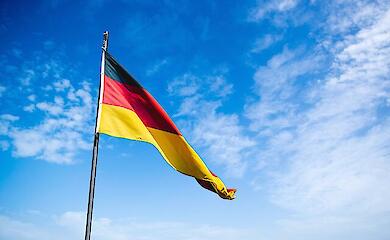
Germany has urged its citizens to avoid travelling to Ukraine ahead of Independence Day
Popular news
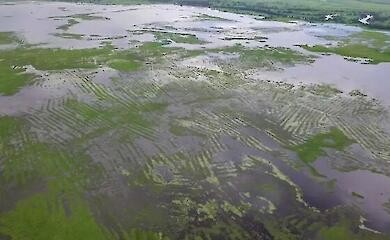
Archaeologists have discovered who actually built Colombia’s ancient canals

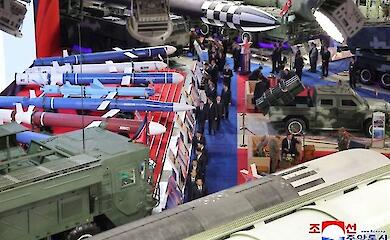
Russia has received new weapons from North Korea: which regions of Ukraine could be at risk
Henry VIII’s long-lost castle has been found inside another castle
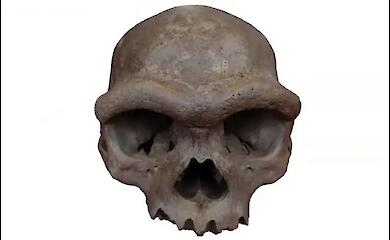
Bones of ancient humans found on the seabed of the Taiwan Strait suggest they were up to 190 cm tall

News about war
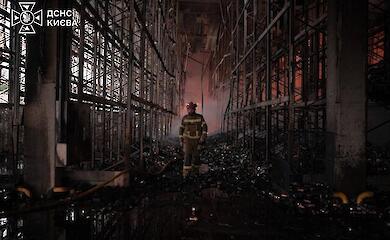
An expert explains how Russia is changing its tactics for strikes on Kyiv


The UN has reported a sharp rise in the number of Ukrainian civilians killed as a result of the war

