

Germany has urged its citizens to avoid travelling to Ukraine ahead of Independence Day


The German Foreign Ministry has updated its travel advice and urged travellers to be aware of the increased risks associated with travelling to Ukraine. Germans are advised to avoid travel where possible, and, if necessary, to draw up a safety plan in advance.
Germany has updated its advice for its citizens planning to travel to Ukraine. The German Federal Foreign Office has warned that, in the run-up to and on Ukraine’s Independence Day on 24 August 2026, an intensification of Russian attacks on infrastructure and civilian targets cannot be ruled out. This is stated in the official advice issued by the German Federal Foreign Office.
The German ministry emphasised that hostilities in Ukraine are continuing, and that Russian troops are using missiles and drones to strike the country on an almost daily basis. The danger persists across all regions of Ukraine.
The German Foreign Ministry paid particular attention to the upcoming Independence Day. According to German diplomats, Russian attacks may intensify during this period. Energy infrastructure, transport hubs and civilian facilities may be at risk.
In light of this, German citizens are advised to refrain from travelling to Ukraine unless absolutely necessary. Those who need to travel for urgent professional reasons are advised to draw up a detailed safety plan in advance and to be aware of the significant risks involved.
Advice for German citizens
If travelling, the German Foreign Office recommends identifying the nearest shelter in advance, downloading a Ukrainian app to receive air-raid alerts, and keeping a close eye on announcements from local authorities and the media.
German citizens are also advised to observe the curfew and register with the German Foreign Ministry’s crisis response system.
Separately, diplomats warn that Germany’s ability to assist its citizens within Ukraine remains significantly limited. Consular services at the embassy are also available only to a limited extent, and the German Consulate-General in Donetsk remains closed.
Germany has warned of infrastructure problems
The German Foreign Ministry also pointed out that Russian attacks could lead to disruptions to critical infrastructure. Power, heating, gas and water cuts can sometimes last for several days or even weeks.
They noted that difficulties also persist in the transport sector. Russian strikes on Ukraine’s railway infrastructure are causing delays and disruptions to train services. Although damage is often repaired promptly, passengers are warned of possible significant delays, particularly during the colder months. Meanwhile, Ukraine’s airspace remains closed, meaning that entry to and exit from the country are only possible by land transport.


Elena Rasenko writes about science, healthy living and psychology news, and shares her work-life balance tips and tricks.
Related news

An expert explains how Russia is changing its tactics for strikes on Kyiv


German intelligence: Russia may target top executives in the defence industry

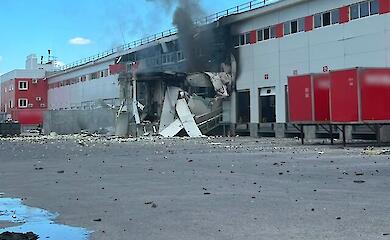
Russia struck a "Nova Poshta" terminal near Kharkiv: staff members were killed and more than 20 people were injured
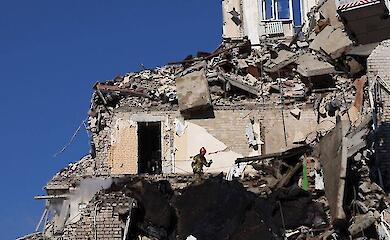
3 July has been declared a day of mourning in Kyiv. The number of dead and injured is rising
Popular news

How to cook sweetcorn properly so that it’s juicy and sweet: the best method revealed

Archaeologists have discovered who actually built Colombia’s ancient canals


Scientists have put forward an explanation as to why there were no tiny dinosaurs


Scientists have discovered how snakes lived during the age of the dinosaurs
News about war
An expert explains how Russia is changing its tactics for strikes on Kyiv

The UN has reported a sharp rise in the number of Ukrainian civilians killed as a result of the war


3 July has been declared a day of mourning in Kyiv. The number of dead and injured is rising