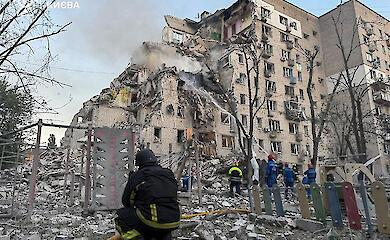
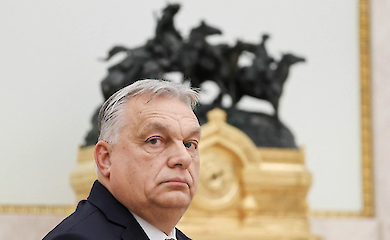
Hungary simplifies entry for Russians and Belarusians


Budapest has brought Russians and Belarusians into the programme of "national card", which is issued to all those wishing to work in the country for 2 years.
Now there will be no security checks for them, reports RedaktionsNetzwerk Deutschland (RND).
Thus, Hungary has allowed Russians and Belarusians to move freely to other EU countries, which is a cause for concern amid the growth of Russian hybrid attacks on EU territory. Meanwhile, Poland is proposing Orban's withdrawal from the EU and NATO.
'Entering without security checks in the midst of a situation in which the Russian government and Russian authorities are doing everything possible to weaken Europe through hybrid attacks is the wrong way to go,' EU MP Sergei Lagodinsky (Greens) commented for RND. - "However, it would be wrong to brand all Russians as 'regime submarines'." Orban is doing what he always does: He is undermining the European migration system and at the same time making himself a servant of the Kremlin.
In the spring, the Hungarian government announced that there were about 65,000 guest workers in the country. They can reunite with their families and apply for permanent residency after three years. Other EU countries, such as Finland, no longer allow Russians to enter. The Helsinki government has justified this as Russia's attempts to destabilise the border and EU states.
Criticism of Hungary is also mounting over the oil dispute with Ukraine. Ukraine put Russian oil company Lukoil on a sanctions list in June and banned the transit of Russian oil through the Druzhba pipeline in Ukraine. Since then, Hungary and Slovakia have been cut off from one of their most important oil suppliers. Budapest has accused Kiev of blackmail, warned of an energy crisis and demanded EU intervention. Energy expert Martin Vladimirov speaks of Orban's "bluff". According to the expert from the Centre for the Study of Democracy, Hungary's concern is rather that the Hungarian oil company MOL, which is closely linked to Orban, can continue its lucrative contracts with Russia. There are enough alternatives, and stopping delivery does not lead to either supply disruptions or higher fuel prices, Vladimirov wrote in a guest post for the Euractiv portal.
Previously, Hungary and Slovakia have several times argued in favour of exemptions from the EU sanctions against the Russian oil industry. While all EU states have pledged to reduce their dependence on Russian energy sources, Hungary and Slovakia have even increased their dependence. At the beginning of the war in Ukraine, Hungary still imported 50 per cent of its oil from Russia; today it is more than 60 per cent. The dependence on Slovakia is even greater. Meanwhile, Russian oil companies are trying to transport their crude oil by sea to Hungary and Slovakia.
Eugenia Ruban writes about political and economic news. She looks at large-scale phenomena in Ukrainian politics and economics from the perspective of how they will affect ordinary Ukrainians.
Related news


Orban announces "results" of Hungarian mission on Druzhba oil pipeline

Popular news

Scientists have discovered that power among the Scythians was passed down through the family line



Navrotsky has announced a ban on the red-and-black flag in Poland: what will change

News about war
The UN has reported a sharp rise in the number of Ukrainian civilians killed as a result of the war

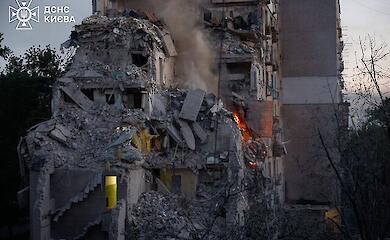
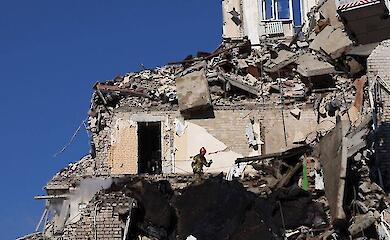
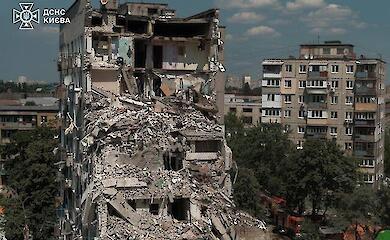
3 July has been declared a day of mourning in Kyiv. The number of dead and injured is rising