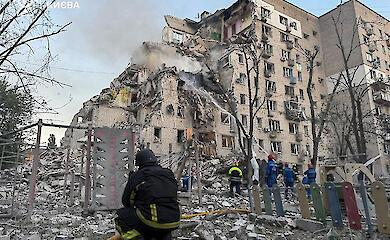
Europeans have weakened the provision of military assistance to Ukraine


We are talking about the so-called "old Europe".
The Kiel Institute for the World Economy, which monitors the process of military assistance to Ukraine, published information that during July, the six largest European countries, for the first time since the start of a large-scale Russian invasion, did not offer Ukraine new military assistance commitments. About it writes the American edition of Politico.
Christophe Trebesh, head of the Ukraine Support Tracker group, said the organization's data shows that European military aid commitments to Ukraine have been on a downward trend since late April.
Even though the war has entered a critical phase, new relief initiatives have dried up,” he said.
Trebesh said European countries should view the war in Ukraine as more akin to the eurozone crisis or the coronavirus pandemic, two events that have prompted the continent to funnel hundreds of billions into emergency funding measures.
If you compare the speed with which the checkbook came out and the amount of money delivered, compared to what is offered for Ukraine, then this is a tiny amount, Trebesh said.
Trebes said the EU pandemic recovery fund covers approximately 800 billion euros in loans and grants. Overall European assistance to Ukraine is still only a small part of this amount.
I'd say it's surprisingly low given what's at stake," he said.
Trebesh expressed hope that European politicians would come to their senses and realize the seriousness of the situation.
We must hope that European arms manufacturers can meet the growing demand, but we must also hope that governments will not interfere with the supply when military equipment appears, he said.
Oleg Kotov writes about the war in Ukraine and how it is changing the world.
Related news

Refugee policy as a test for European integration: how Ukraine and other candidate countries pass it


The President of Lithuania may act as a mediator between Ukraine and Poland


"I work at a supermarket checkout because I don't want to be woken up by patients calling at night." How Ukrainians work in Poland now

Popular news


Scientists have discovered that power among the Scythians was passed down through the family line



Navrotsky has announced a ban on the red-and-black flag in Poland: what will change
News about war

The UN has reported a sharp rise in the number of Ukrainian civilians killed as a result of the war


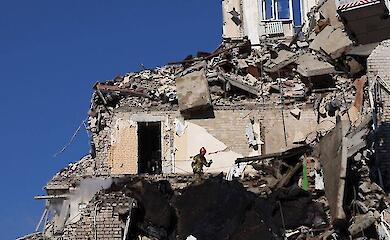
3 July has been declared a day of mourning in Kyiv. The number of dead and injured is rising