
When and how to eat right if you are exercising

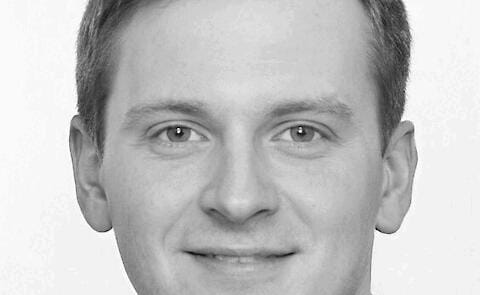
You'll often hear the advice that exercising on an empty stomach is good for burning fat.
Others, however, say it's important to have a snack right before a workout. But what do experts say about it? It turns out it's not so clear-cut, reports phys.org.
The arguments in favour of eating before a workout
Our bodies need calories as a source of energy. If you eat a heavy meal just before exercise, the blood your muscles need will go to your stomach for digestion, which can cause discomfort or nausea - especially if the meal was heavy (high in fat, protein or fibre).
- Tip: favour light carbohydrates, taking 2-3 hours between your meal and an intense workout to give your body time to digest everything. For example, eat a banana with peanut paste or yoghurt with fruit. This will give you energy, and then you can have a full lunch or dinner after your workout.
Should you eat after exercise?
Probably yes. At the very least, you should replenish your nutrient stores to support your body's recovery.
- Post-exercise protein is often recommended for muscle growth and recovery, but "running for a protein shake right after the finish line" to "catch the anabolic window" is a myth. For most people, it's more important to make sure you eat a balanced diet throughout the day, getting enough protein at each meal (about 25-30 grams, depending on individual factors).
- If it's not soon enough to have a full meal after training, you can have a small protein-carbohydrate snack to avoid feeling very hungry and then overeating.
Should I eat while exercising?
Experts say that in most cases, eating in the middle of an exercise session is not necessary, especially if it lasts up to an hour. The exception is marathon runners or those who train for more than 60 minutes at high intensity. Then a carbohydrate snack or sports gel can help maintain energy.
Which is more important: when or what?
Nutritionists emphasise that the overall quality of the diet is often more important than the specific timing of meals. Many people place a lot of importance on a 'precise schedule', but in reality the key to success is to eat a balanced diet with sufficient protein, vegetables and carbohydrate sources throughout the day.
So, if you exercise early in the morning and don't have time to eat breakfast, you can get by with a light carbohydrate snack. Those who work out in the afternoon or evening should either eat a good meal a couple of hours before exercise or, if you can't, choose something quickly digestible. After exercise, it is important to eat moderately: have a snack or go straight to a full meal.
Conclusion: it is not necessary to make the "timing" of meals too complicated. The main thing is a healthy overall diet that helps the body to recover and feel good throughout the day.
Mykola Potyka has a wide range of knowledge and skills in several fields. Mykola writes interestingly about things that interest him.
Related news
This everyday habit was found to be associated with a 24 per cent reduction in the risk of death


Changes in the brain were discovered in people who used to watch a lot of television decades ago

How much coffee can you drink without harming your heart: the cardiologists’ answer

Popular news
How to cook sweetcorn properly so that it’s juicy and sweet: the best method revealed

Archaeologists have discovered who actually built Colombia’s ancient canals

Scientists have put forward an explanation as to why there were no tiny dinosaurs


Scientists have discovered how snakes lived during the age of the dinosaurs
News about war
An expert explains how Russia is changing its tactics for strikes on Kyiv

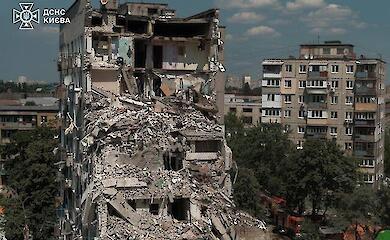
The UN has reported a sharp rise in the number of Ukrainian civilians killed as a result of the war


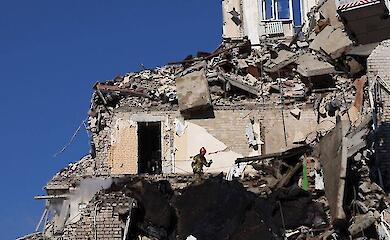
3 July has been declared a day of mourning in Kyiv. The number of dead and injured is rising