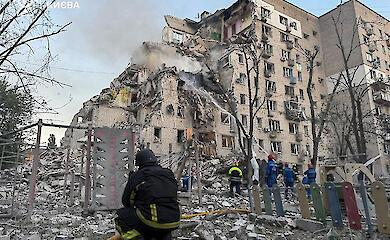
The European Commission has urged EU member states to urgently start filling their gas storage facilities amid a sharp escalation in the Middle East


The European Commission has urged member states to lower targets for filling gas storage facilities and gradually start pumping gas to avoid shortages in the summer. Rising prices amid the war in Iran pose risks to the EU energy market and economy.
The European Commission urged the EU countries to urgently start filling their gas storage facilities to reduce the load on the market amid the war in the Middle East and a sharp rise in global energy prices. Bloomberg writes about it, referring to the letter of the EU Commissioner for Energy Dan Jorgensen.
In the letter, Jorgensen urged member states to lower their targets for filling gas storage facilities to 80 per cent of capacity, 10 percentage points below the bloc's official norms, and gradually start pumping gas to avoid a summer rush that could put pressure on markets. The commissioner stressed that the EU's energy supply remains relatively secure, but collective coordination among all countries is required to minimise the impact of the conflict with Iran.
The head of the EU energy agency Dan Jorgensen noted that countries should finish filling their storage facilities by 1 December, using the flexibility provided by the EU legislation.
It was reported the previous day that the EU was preparing for a prolonged energy shock after Iran knocked out an important gas processing plant in Qatar, heightening the risk of a multi-year supply shortage. Following the attack, gas prices in Europe rose to levels not seen in the past three years and the European Central Bank warned that a prolonged supply disruption could cause eurozone inflation to rise to 6.3 per cent and trigger a short-term recession.
The situation is exacerbated by Iran's blockade of the Strait of Hormuz, a strategically important route for oil transport, which particularly hits Italy and other EU countries dependent on energy imports.
The price of gas in Europe has already risen 35 per cent to €67.35 per megawatt hour. The cost of gas has more than doubled since the start of the US and Israel's war with Iran. The price spike on 19 March was caused by Iranian missile strikes on the industrial city of Ras Laffan in Qatar, where QatarEnergy confirmed widespread fires and serious damage to facilities that provide about 20% of the world's liquefied natural gas exports.
Elena Rasenko writes about science, healthy living and psychology news, and shares her work-life balance tips and tricks.
Related news
The European Union has explained why Ukraine’s accession process is being delayed – FT


Refugee policy as a test for European integration: how Ukraine and other candidate countries pass it


Russia has little time left, Europe even less. What the Western media say about the possible end of the war

Popular news
Ukrainian security services have been recognised as among the best intelligence services in Europe – L'Express

Irina Levchenko, the abducted Ukrainian journalist, has been transferred to the Donetsk remand centre: what is known

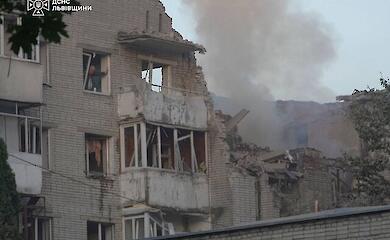
Russia has attacked Lviv with drones and missiles: dozens of residential buildings have been damaged and there are casualties


News about war

The UN has reported a sharp rise in the number of Ukrainian civilians killed as a result of the war


3 July has been declared a day of mourning in Kyiv. The number of dead and injured is rising