


Kuleba predicted the situation in case of a Russian attack on the Baltic States


The Baltic States will be able to win in case of a Russian attack, the Ukrainian foreign minister has said.
If the Kremlin attacks the Baltic states, they will be able to repel the enemy, but the Russians will do to the Baltic cities what they have already done to Bakhmut and Avdiivka. This was stated by Ukrainian Foreign Minister Dmytro Kuleba in an interview with ELTA, quoted by Delfi.
He predicted that for the first few days the inhabitants of the Baltic states will have to defend themselves with the means they have at their disposal. Then, Kuleba believes, NATO countries will respond to the strike.
In the end, I think NATO will win. But look at Bakhmut, look at Avdeevka - this is what the Baltic States will look like after intense fighting. This is how your cities will look like. There will be no beautiful Vilnius," Kuleba emphasised.
He noted that the most effective way to prevent this is to support the Ukrainian defenders, who are now reflecting the enemy's blow. Kuleba added that Lithuania understands this, so it actively supports Ukraine.
Many people pretend that they can avoid this," the minister said.
Earlier, the Lithuanian Defence Ministry said that there is currently no threat of a Russian attack on NATO because Moscow does not have the resources to open a second front.
Eugenia Ruban writes about political and economic news. She looks at large-scale phenomena in Ukrainian politics and economics from the perspective of how they will affect ordinary Ukrainians.
Related news
Strikes on both sides of the Crimean Bridge: Zelenskyy announced that Russia’s key logistics and air defence systems had been destroyed


Media: EU has received evidence of China’s involvement in training Russian military personnel for the war in Ukraine

Mysterious GPS disruptions in Europe have been linked to Russian satellites

Popular news
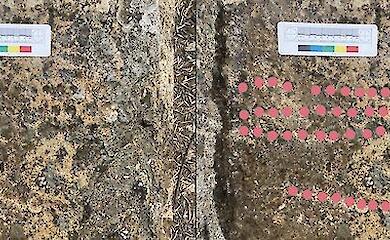
A medieval bathhouse in Morocco has kept its secret for a thousand years

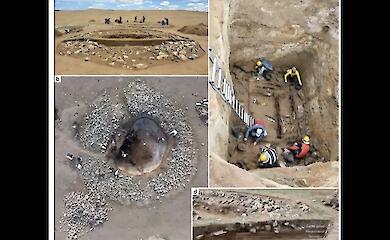
Scientists have discovered why one brother was buried in a lavish grave whilst the other was buried on the outskirts of the cemetery

Astronomers have detected a signal that has been travelling towards Earth for over 8 billion years
News about war

Ukrainians have to help wounded during Russian shelling on their own


Pro-Russian march with St. George ribbons and Night Wolves allowed in Vienna

"Grow up!" - Budanov named the main risk for preserving independent Ukraine

