
European Commission announces tough measures against Russia - what is included in the 18th package

on 10 June, the European Commission presented the 18th package of sanctions against Russia.
It aims to further weaken Russia's energy and financial sectors in response to the ongoing aggression against Ukraine. European Commission President Ursula von der Leyen says "this war must end," Politico reports.
Key measures include a proposal to lower the price ceiling on Russian oil from $60 to $45 a barrel, a complete blocking of 22 Russian banks from the international SWIFT system, and a ban on the use of the Nord Stream pipelines to supply gas between Russia and Germany.
"Russia's economy is already cracking under the pressure of previous sanctions, and the new package will hit even harder," von der Leyen said at a joint press conference with European diplomatic chief Kaja Kallas. Kallas added: "Russia is brutal, aggressive and a threat to all of us."
In addition, the European Commission proposes to expand the oil embargo to include oil products produced in third countries from Russian raw materials, which should stop attempts to circumvent sanctions. It is also planned to include in the "shadow fleet" 77 more ships suspected of illegal transportation of Russian oil - they will be banned from entering EU ports.
The sanctions will also affect the Russian Direct Investment Fund - its activities will be restricted to prevent the modernisation of the Russian economy at the expense of Western capital.
Another blow is an export ban worth €2.5bn, which covers the supply of industrial goods to Russia: machinery, metals, plastics, chemicals, as well as dual-use technologies used for the production of drones, missiles and other weapons.
Von der Leyen emphasised the effectiveness of the sanctions, noting that before the invasion, Russia earned about €12bn a month from energy exports to Europe. That amount has now dropped to €1.8bn.
"Our goal is to prevent Russia from modernising its army at the expense of European technology," she said.
The new sanctions coincide with preparations for the G7 summit in Canada, where tougher pressure on Moscow will also be discussed. The EU expects to agree on all measures by the end of the month. According to Ignacy Niemczycki, spokesman for the Polish Presidency, "the mood among EU ambassadors is optimistic."
Brussels is also coordinating with Washington. In the US, initiatives such as the introduction of a 500% tariff on Russian energy purchases, proposed by Senator Lindsey Graham, are being discussed. Although the White House has not yet officially endorsed the measure, von der Leyen said the EU would be "in close liaison" with the US initiatives.

Journalist and editor of informational and analytical programs.
Related news
The European Union has explained why Ukraine’s accession process is being delayed – FT

British intelligence: Putin may stage a major provocation against NATO as early as the coming months

German intelligence: Russia may target top executives in the defence industry
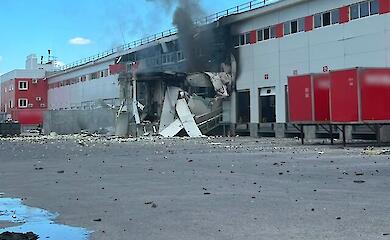
Russia struck a "Nova Poshta" terminal near Kharkiv: staff members were killed and more than 20 people were injured
Popular news
Ukrainian security services have been recognised as among the best intelligence services in Europe – L'Express

Irina Levchenko, the abducted Ukrainian journalist, has been transferred to the Donetsk remand centre: what is known


Scientists have put forward an explanation as to why there were no tiny dinosaurs

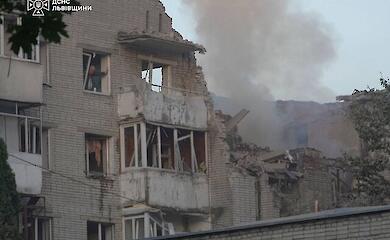
Russia has attacked Lviv with drones and missiles: dozens of residential buildings have been damaged and there are casualties
News about war
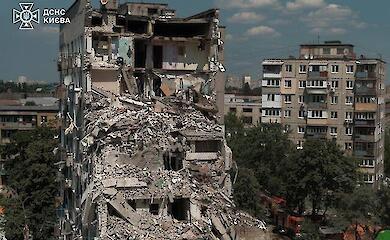
The UN has reported a sharp rise in the number of Ukrainian civilians killed as a result of the war
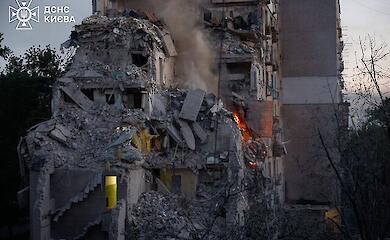
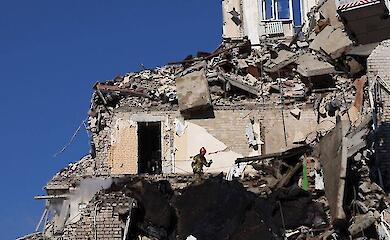
3 July has been declared a day of mourning in Kyiv. The number of dead and injured is rising