

The expert told at what age children can eat cheese
- Home
- Life
- Healthy lifestyle
- The expert told at what age children can eat cheese


Dairy products, especially cheeses, are just a storehouse of vitamins A, D, E, B1, B2, B12, C, PP.
The taste of cheese is undeniable. This product contains a large number of macro- and microelements. For example, it contains about 10 times more calcium than milk and other fermented milk products. It also contains vitamins of groups B, A, D, PP, phosphorus and essential amino acids.
Cheese is able to completely satisfy the hunger of the child, charge the baby with energy. And regular eating of cheese has a beneficial effect on vision and allows the child to gain weight when it is deficient. In addition, chewing cheese forms the right flavor.
However, there are disputes in society about the age at which children can be given cheese. And if most parents agree that blue cheese should be given to the child to try, as late as possible, then around the usual dairy product without frills - bachalia unfolds. Someone insists that it is possible to chew pieces of cheese even at a tender age, sitting on a high chair, others insist that you should wait a couple more years.
As All for Children writes, cheese expert Andrey Korobkov recommends starting with cottage cheese. You can give it to children at 10-11 months. At the same time, 5 g per day is enough, and by 2 years this portion can be increased to 30 g per day.
However, before introducing cottage cheese into the diet of a child, it is worth consulting with a pediatrician, the specialist warns.
He also insists that soft, processed, pickled, smoked and moldy cheeses should not be given at an early age.
For the first acquaintance of the baby with hard cheese, Dutch varieties are ideal. Often children choose Gouda - it has a creamy taste, very soft and tender, he says.
When choosing a cheese, you should pay attention to a number of parameters. It is necessary to carefully read the information on the packaging and find out if the product contains: dyes, flavors and other dubious additives that have little to do with the real product, they should not be. It is also not recommended to give babies a fatty product.
According to him, it is worth stopping feeding a child with cheese when the following symptoms appear:
- the baby has colic;
- indigestion appeared;
- there is mucus or blood in the stool;
- the child is not as active as before the introduction of cottage cheese;
- rash appeared on the skin.
Note that children should not be given a cheese product. From real cheese in this form there is little that can be found. Usually, such products are much cheaper, moreover, manufacturers generally indicate on the label that you have a cheese product in front of you.
Elena Rasenko writes about science, healthy living and psychology news, and shares her work-life balance tips and tricks.
Related news
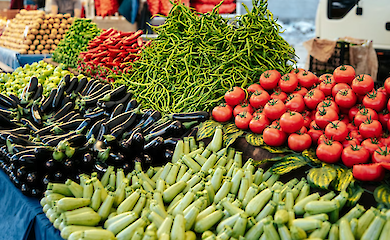
Global food prices have reached a three-year high due to the heatwave and conflicts


Why children’s accounts of the trauma they have experienced may vary
Scientists have discovered how children learn maths at home — without even realising it


Scientists have discovered how intermittent fasting may protect the brain from stress

Popular news

Ukrainian security services have been recognised as among the best intelligence services in Europe – L'Express

Irina Levchenko, the abducted Ukrainian journalist, has been transferred to the Donetsk remand centre: what is known

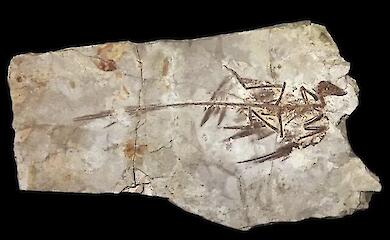
Scientists have put forward an explanation as to why there were no tiny dinosaurs

Russia has attacked Lviv with drones and missiles: dozens of residential buildings have been damaged and there are casualties
News about war

The UN has reported a sharp rise in the number of Ukrainian civilians killed as a result of the war

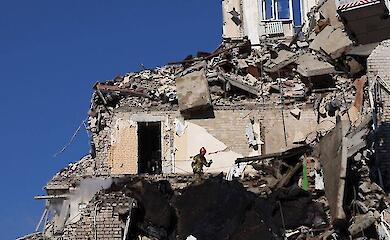
3 July has been declared a day of mourning in Kyiv. The number of dead and injured is rising