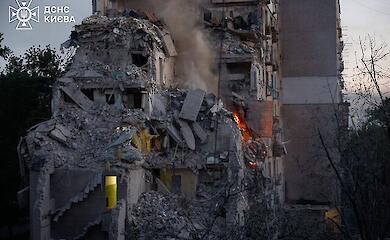
Ukraine develops reparations programme for survivors of war-time sexual violence

Mechanisms are being worked out for interim reparations, which the state will provide to the victims now and Russia will pay for, once it has been held accountable for the war crimes committed
In 2015, the UN General Assembly designated 19 June as the International Day for the Elimination of Sexual Violence in Conflict (IAWC) each year. To date, 208 cases of sexual violence committed by occupiers have already been recorded in Ukraine, said the government's Gender Policy Commissioner, Kateryna Levchenko.
Why are reparations important for victims of sexual violence during the war?
According to Olena Sotnik, Advisor to the Deputy Prime Minister on European and Euro-Atlantic Integration
Sexual violence during the war is a specific type of war crime with very traumatic consequences. And the victims of sexual violence themselves are hidden; most of them do not report the crime committed against them. And unless we establish a special system of reparations and an administrative system for recognising their status, we may never know the real numbers of victims.
Christina Kyt, head of the Women Lawyers Association of Ukraine "YurFem" notes that there are already laws in Ukraine that provide for reparations and compensation for property damage:
But victims of sexual violence during the war need to be treated differently to provide for other rehabilitation programmes.
The trauma experienced by a person due to violation of their sexual inviolability, invasion and abuse of their body is different from the psychological trauma due to explosions and being in hiding.
Introducing a system of reparations for such survivors will give them confidence that the state is prepared to listen to them and that the professionals who will work with them understand the trauma they are facing and provide confidential and quality care.
An International Registry of Injured is now being created. An International Disbursement Fund is being introduced, and an international commission is being formed to recognise the right of victims to these payments.
The aggressor country must pay reparations. But these reparations can take a very long time to be paid. That is why our state's role is to accumulate as much political, diplomatic and legal effort as possible to persuade our partners through international pressure and diplomatic agreements to confiscate Russian assets on the territory of other countries and to direct these assets to the Ukrainian Reparation Payment Fund.
Where to get help for survivors
Survivors of war-related sexual violence can currently receive assistance at Rescue Centres, which were established with the support of the United Nations Population Fund to offer legal, medical and other assistance. The centres have been set up in 11 regions of Ukraine.
Also today, on the International Day against Sexual Violence in Conflict, Ukraine launched a campaign to encourage those who know about such crimes, those who have suffered, and those who have witnessed to contact governmental structures and public organisations and to testify and speak out about these crimes.

Iryna Yukhymchuk specialises in events in the capital region. As a civic activist with extensive experience, she is an expert on social welfare education for vulnerable groups.
Related news
Zelenskyy stated that Kyiv remains Putin’s main target and spoke about preparations for a harsh winter


Germany has urged its citizens to avoid travelling to Ukraine ahead of Independence Day
An expert explains how Russia is changing its tactics for strikes on Kyiv

Popular news

How to cook sweetcorn properly so that it’s juicy and sweet: the best method revealed

Archaeologists have discovered who actually built Colombia’s ancient canals


Russia has received new weapons from North Korea: which regions of Ukraine could be at risk

Bones of ancient humans found on the seabed of the Taiwan Strait suggest they were up to 190 cm tall

News about war
An expert explains how Russia is changing its tactics for strikes on Kyiv
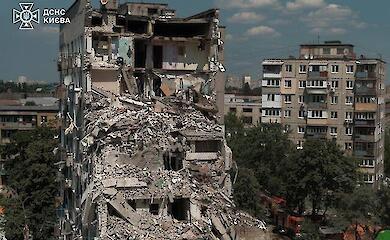
The UN has reported a sharp rise in the number of Ukrainian civilians killed as a result of the war