


Tattoos may increase cancer risk - twin study findings


Tattoos have become extremely popular in recent years, but few people think about the fact that pigments injected under the skin can spread through the body and settle in the lymph nodes.
A large Danish study conducted by scientists at the University of Southern Denmark (SDU) and the University of Helsinki has found that large tattoo holders are more likely to be diagnosed with lymphoma and skin cancer.
Key facts of the study
Study Subject
The scientists analysed data from more than 5,900 people from the Danish Twin Tattoo Cohort (Danish Twin Tattoo Cohort). This unique sample allowed the comparison of genetically similar people - twins - to identify the influence of purely external factors related to tattoos.The main finding
Tattoo wearers were observed to have an increased incidence of lymphoma and skin tumours compared to those without tattoos. The association was particularly pronounced in people with large tattoos, which were larger than the palm of the hand. For lymphomas, the incidence of the disease was almost three times higher in those with "large tattoos" relative to those without tattoos.The role of the lymphatic system
The researchers emphasise that the pigment particles accumulate in the lymph nodes, which form an important part of the immune system. A possible hypothesis: the body tries to "fight" foreign substances, which can maintain chronic inflammation for years and increase the likelihood of cancer.
Why these results are important
- The rise in popularity of tattoos
Scientists estimate that by the age of 25, approximately 40% of women and 30% of men have at least one tattoo, and many order large "projects" at once. - A question of colour
Previous studies indicate that the composition of ink may contain potentially harmful components. Red ink, for example, is more likely to cause allergic reactions. No clear correlation with a specific pigment was found in this study, but this does not rule out a role for colour in cancer risks.
Future research directions
The scientists plan to look further into how exactly pigment - in particular microparticles - interacts with lymph nodes on a molecular level and how this increases the risk of certain types of lymphoma. Another question is whether there is a time-dependent effect, since many people get tattoos at a young age and keep them for decades.
According to assistant professor Signe Bedsted Clemmensen, a better understanding of the biological mechanisms will help formulate recommendations and possibly reduce the risks - for example, through improved ink formulations or special medical restrictions on large tattoos.
While it's too early to call tattoos a major source of cancer, the findings urge caution. If you're going to get a large tattoo, it's worth considering the possible long-term effects on your immune system and choosing your pigment more carefully. The scientific community continues to study the topic to determine how serious the threat is and how it can be minimised.
Study reference:
Clemmensen, S. B. et al. Tattoo ink exposure is associated with lymphoma and skin cancers - a Danish study of twins, BMC Public Health (2025).DOI: 10.1186/s12889-025-21413-3
Maria Grynevych, project manager, journalist, co-author of Guidebook Sacred Mountains of the Dnieper Region, Lecture Course: Cult Topography of the Middle Dnieper Region.
Related news

What to wear in 35 °C heat: stylists have named the fabrics that will help you cope better with high temperatures


A simple marker of future memory decline has been identified in older people

Popular news

How to cook sweetcorn properly so that it’s juicy and sweet: the best method revealed

Archaeologists have discovered who actually built Colombia’s ancient canals


Scientists have put forward an explanation as to why there were no tiny dinosaurs


Scientists have discovered how snakes lived during the age of the dinosaurs
News about war

An expert explains how Russia is changing its tactics for strikes on Kyiv

The UN has reported a sharp rise in the number of Ukrainian civilians killed as a result of the war

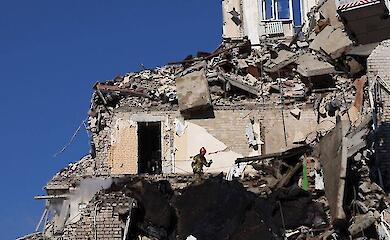
3 July has been declared a day of mourning in Kyiv. The number of dead and injured is rising