Sweet snacking has been linked to tantrums in young children
- Home
- Life
- Healthy lifestyle
- Sweet snacking has been linked to tantrums in young children


Young children's diet may be linked not only to physical health but also to behaviour. A Norwegian study found that four-year-olds who ate more fruit and vegetables had fewer signs of anxiety, withdrawal and behavioural problems, while frequent sweet and salty snacks were associated with more tantrums, aggression or hyperactivity.
Important: the study does not prove that sweets directly cause tantrums. Scientists found a link, not a cause-and-effect relationship.
Details
Researchers looked at data from 363 children aged 4 years. Parents reported how often the child ate fruit, vegetables and snacks like sweets, biscuits, crisps or other sweet and salty foods. Children's behaviour was assessed using a questionnaire that divides problems into two groups: internal and external.
Internal problems include anxiety, sadness, withdrawal and depression. External ones include tantrums, aggression, hyperactivity and other forms of "acting out".
The results showed that more frequent fruit and vegetable consumption was associated with fewer of both internal and external behaviours. In contrast, frequent sweet and salty snacking was associated with more external problems - primarily behaviours that parents may perceive as crankiness, temper tantrums or difficulties with self-control.
The authors took into account important family factors: mother's education, financial difficulties and mother's mental health. Even after these adjustments, the link between diet and behaviour persisted.
That said, the study has limitations. Meals were assessed by parental reports, not by an exact diary with grams and portions. In addition, the frequency of foods eaten was recorded, not the amount eaten. The sample was also relatively small and consisted of families in Norway, so the results cannot be automatically transferred to all children.
Why it is important
The topic is important for parents because the nutrition of preschoolers is often discussed only in the context of weight, height, vitamins and eating habits. The new work adds another possible aspect: diet may be linked to a child's emotional state and behaviour.
But the main conclusion is not that a child should be completely banned from sweets. A more correct practical idea is this: if the preschooler's diet contains more vegetables, fruits and regular balanced meals, and sweet and salty snacks do not become the daily basis of nutrition, it may be associated with a more favourable emotional background.
The scientists explicitly point out that because of the observational nature of the data, causality is limited: intervention studies are needed to test whether children's behaviour changes when their diet changes.
Background
The link between diet and mental health in children is increasingly being studied, but most studies have previously focused on schoolchildren and adolescents rather than preschoolers. In this sense, the new work is important precisely because it looks at young children. Other studies have also shown that family food habits, eating patterns and the emotional climate at the table can be linked to a child's behaviour.
That said, the connection can work both ways. Not only can food affect mood, but mood, stress, sleep, family environment or temperament can influence what a child eats and how parents view their behaviour.
Source
A study by Nina Cecilie Øverby and co-authors Associations Between Aspects of Diet and Internalising and Externalizing Behaviors in Children Aged 4 Years is published in the journal Nutrients in 2026. The study analysed the relationship between the frequency of fruit, vegetable, sweet and salty snacks and behavioural outcomes in 363 four-year-old children.
Elena Rasenko writes about science, healthy living and psychology news, and shares her work-life balance tips and tricks.
Related news


Scientists have discovered a hidden mechanism behind the choice of friends


Why ‘dark’ personality traits can help us cope with stress more calmly

Popular news

Scientists have discovered that power among the Scythians was passed down through the family line



Navrotsky has announced a ban on the red-and-black flag in Poland: what will change

News about war
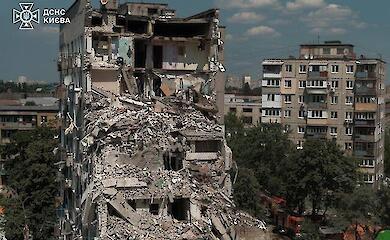
The UN has reported a sharp rise in the number of Ukrainian civilians killed as a result of the war

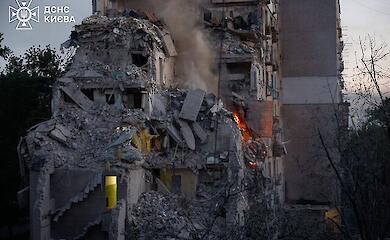
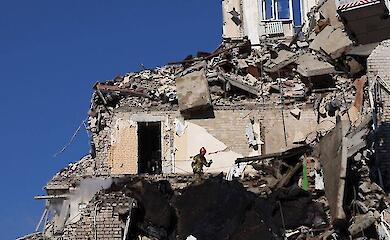
3 July has been declared a day of mourning in Kyiv. The number of dead and injured is rising