Social media helps you better recognise fakes and learn the news - study
- Home
- Science
- Misinfo Monitor
- Social media helps you better recognise fakes and learn the news - study


Two weeks of reading news on social media builds media literacy.
A study by Sachi Altai, Emma Hoes and Magdalena Wojzesak from the University of Zurich and the University of California (USA), published in the journal Nature Human Behaviour, refutes the pessimism around 'doom-scrolling'.
Details:
- Sacha Altay et al, Following news on social media boosts knowledge, belief accuracy and trust, Nature Human Behaviour(2025). DOI: 10.1038/s41562-025-02205-6
- Reading news on social media boosts knowledge, discernment and trust, Nature Human Behaviour (2025). DOI: 10.1038/s41562-025-02206-5
Reading news on social media is usually associated with aimlessly scrolling through negative content.
However, the authors of the study found that, when done right, reading trusted news outlets can strengthen public awareness. As noted in the article, the experiment itself was conducted in France and Germany, where participants signed up for special Instagram or WhatsApp accounts for a fortnight. As a result, even in a short period of time, people became more aware and trusting of news.
The study involved 3,395 respondents.
The test subjects were randomly divided into two groups. Participants in the experimental group were instructed to subscribe to two news organisations' Instagram or WhatsApp accounts, while the control group followed two irrelevant accounts (e.g. about cooking, movies or art).
Everyone was instructed to turn on notifications for these channels and view their content daily. After a two-week period, the scientists conducted a survey to assess knowledge of current events, the ability to distinguish between true and false news, trust in the media, and subjective feelings of awareness and interest in politics.
Key findings
Results showed significant benefits of subscribing to trusted news outlets. Compared to the control group, participants who followed news outlets demonstrated:
Increased knowledge of current events. News channel subscribers were better at answering questions about current political and world events.
Improved skills in recognising fake news. They were clearer in distinguishing real news from fake reports.
Increased trust in the media. Participants in the experimental group became more trusting of journalists and the media in general.
There was no change in the feeling of being informed. There was little change in subjective sense of awareness and interest in politics. Participants did not feel "significantly more informed", although their objective knowledge increased.
The authors emphasise that even limited news reading (2 channels) markedly improved participants' cognitive performance. Overall, according to the researchers, "some forms of social media use are dangerous, but others can be beneficial and contribute to an informed society." In their opinion, the described approach of increasing access to quality information can strengthen public awareness.
The researchers urge to pay attention to the positive possibilities of social networks.
According to them, while it is necessary to remain vigilant about the risks of fakes and propaganda, "it is essential to understand the potential benefits" of social platforms for the dissemination of reliable information. The scientists suggest that social media should be considered not only as a source of misinformation, but also as a tool for education: for example, to incentivise users to subscribe to reputable media outlets and turn on notifications.
However, the authors warn that the results of the experiment may not apply to all countries and platforms.
They note that more research is needed - with different user groups and over a longer period - to test the long-term effects. Nevertheless, based on current data, the researchers conclude that simply increasing exposure to reliable news for a month or two can yield tangible benefits.
According to the authors, social media "can be used to increase public awareness".
Maria Grynevych, project manager, journalist, co-author of Guidebook Sacred Mountains of the Dnieper Region, Lecture Course: Cult Topography of the Middle Dnieper Region.
Related news
Vitamin A does not protect against measles: calls to poisoning centres rise in US


Why some people believe in conspiracies and others don't: a new study by psychologists



Popular news
Ukrainian security services have been recognised as among the best intelligence services in Europe – L'Express
Irina Levchenko, the abducted Ukrainian journalist, has been transferred to the Donetsk remand centre: what is known

Scientists have put forward an explanation as to why there were no tiny dinosaurs
Russia has attacked Lviv with drones and missiles: dozens of residential buildings have been damaged and there are casualties
News about war
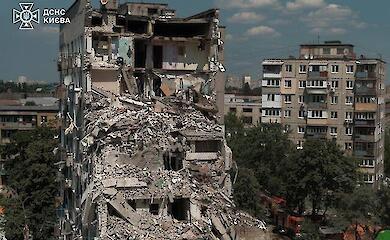
The UN has reported a sharp rise in the number of Ukrainian civilians killed as a result of the war
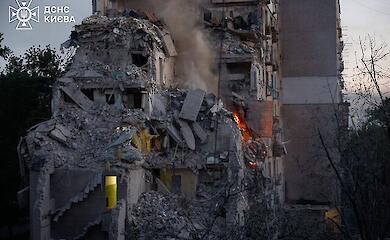
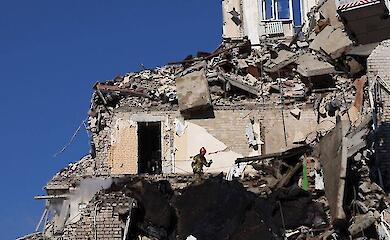
3 July has been declared a day of mourning in Kyiv. The number of dead and injured is rising