

Scientists have identified two critical ages when dramatic changes occur in the body
- Home
- Life
- Healthy lifestyle
- Scientists have identified two critical ages when dramatic changes occur in the body


American geneticists from Stanford University have found that the human body undergoes significant changes at two key age periods - around 40 and 60.
These findings come from a large-scale study recently published in the journal Nature Aging.
Scientists conducted multidomain profiling of more than a hundred people between the ages of 25 and 75 to study how molecules and microbes in the body change with age. They analysed blood samples and other biomaterials from the participants over several years, allowing them to gather extensive data on more than 135,000 different molecules and microbes.
Key findings:
Age 40:
It turned out that around the age of 44, there are dramatic changes in the body, especially in the metabolism of alcohol, caffeine, lipids, as well as in the cardiovascular system, skin and muscles. These changes have been seen in both men and women.Age 60:
By about age 60, changes in the body include carbohydrate metabolism, caffeine metabolism, the immune system, kidney function, and the cardiovascular system, skin, and muscles. This is not surprising, as the risk of many age-related diseases increases from this age.
Researchers have emphasised the importance of paying close attention to one's health, especially after the age of 40 and 60. Lifestyle adjustments during these critical periods can help maintain health and slow down the aging process. In the future, researchers plan to study the causes of these age-related changes in more detail.
Elena Rasenko writes about science, healthy living and psychology news, and shares her work-life balance tips and tricks.
Related news

Traces of water heated to 300 degrees have been found near the “Lost City”


An antidote to one of the most potent marine venoms has been found in frogs
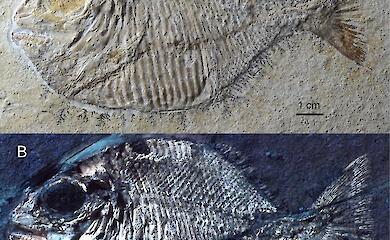
Scientists have described, for the first time, the young of a fish that lived 152 million years ago
Popular news

Scientists have discovered that power among the Scythians was passed down through the family line


Navrotsky has announced a ban on the red-and-black flag in Poland: what will change


Why children’s accounts of the trauma they have experienced may vary
News about war

The UN has reported a sharp rise in the number of Ukrainian civilians killed as a result of the war



3 July has been declared a day of mourning in Kyiv. The number of dead and injured is rising