


How to eat right without hurting your wallet: expert advice


The main reason Americans don't stick to a healthy diet is the high cost of food.
According to a recent survey by the American Heart Association, about 60 per cent of people consider the price of healthy food to be the main obstacle to good nutrition. However, experts are convinced that it is quite realistic to eat healthily and economically.
Nutritionist Marie-Pierre St-Onge from Columbia University says that even simple changes can improve the quality of nutrition and reduce costs.
Protein without overpaying
Getting enough protein without spending a lot of extra money is realistic. Here are some affordable and healthy alternatives:
Legumes - beans, peas, chickpeas and lentils are high in protein and fibre and are good for your heart and budget. They can be added to soups, salads or cooked as snacks. For convenience, choose tinned beans without added salt.
Tofu and tempeh are rich in plant-based protein and usually cost less than meat. Soft tofu is great for miso soup, and firm tofu is great for stir-frying with garlic and vegetables. Tempeh would be a good addition to noodles and other dishes.
Turkey or chicken stuffing are lean and often more affordable alternatives to beef. Use them to make homemade dishes like piccadillo or tacos that will stay tasty and healthy.
Heart-healthy cereals
White rice, popular in many cuisines, can spike blood sugar levels and, if not stored properly, provoke the growth of harmful bacteria. It's healthier to use its alternatives:
Brown rice is a fibre-rich substitute for white rice.
Quinoa is another healthy alternative, rich in protein and ideal for soups and salads.
Barley - a nutritious cereal traditionally used in Asian soups, improves heart health.
Canned, dried and frozen - it's okay!
Eating healthy doesn't mean buying only fresh produce, especially if it's not always available. Canned, dried and frozen foods can be just as nutritious, while greatly reducing the risk of spoilage and saving your budget. The American Heart Association advises choosing foods with no added salt or sugar.
Frozen fruits and vegetables are picked at the peak of maturity, retaining all the nutrients. They can be added to soups, smoothies or used as a side dish.
Canned tuna is a great budget-friendly option that is high in omega-3. It can be added to salads, sandwiches and rice dishes.
How to store avocados properly?
Buy green fruit, and store ripe ones in the fridge.
To freeze, mash a ripe avocado, add a little lime juice and store in an airtight container.
If you use half of the fruit, the other half should be left with the pit, wrapped tightly, and stored in the refrigerator.
According to the American Heart Association, even small dietary changes can significantly improve your health without giving up your favourite flavours.
Maria Grynevych, project manager, journalist, co-author of Guidebook Sacred Mountains of the Dnieper Region, Lecture Course: Cult Topography of the Middle Dnieper Region.
Related news
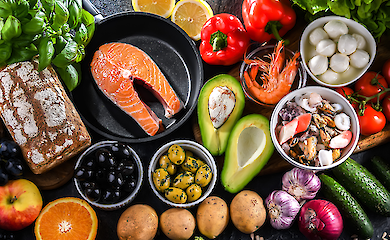
The ancient Mediterranean diet turned out to be quite different from the modern one

How to cook sweetcorn properly so that it’s juicy and sweet: the best method revealed


Scientists have figured out how to make espresso without boiling water
Popular news
How to cook sweetcorn properly so that it’s juicy and sweet: the best method revealed

Archaeologists have discovered who actually built Colombia’s ancient canals


Scientists have put forward an explanation as to why there were no tiny dinosaurs


Scientists have discovered how snakes lived during the age of the dinosaurs
News about war

An expert explains how Russia is changing its tactics for strikes on Kyiv


The UN has reported a sharp rise in the number of Ukrainian civilians killed as a result of the war



3 July has been declared a day of mourning in Kyiv. The number of dead and injured is rising