Etna turned out to be the 'wrong' volcano - scientists


Scientists have discovered that the Etna volcano works differently from other volcanoes on Earth. This is important because it may change ideas about how volcanoes form.
We're talking about a possible new type of volcanic activity.
Details
Etna is Europe's most active volcano, but its origin has long remained a mystery. It doesn't fit into any of the three classical models of volcano formation.
Typically, volcanoes form
- at the boundaries of tectonic plates
- in areas where one plate goes underneath another
- or over so-called hotspots
However, Etna combines the features of several types at once, not fully corresponding to any of them.
Analysis of the chemical composition of the lava showed that magma rises from a depth of about 80 kilometres - from the upper mantle of the Earth. In this case, it is not formed immediately before the eruption, as it happens in most cases, and already exists there in advance.
Scientists assume that the magma rises up because of the deformation of the Earth's crust in the collision zone of the African and Eurasian plates. Through cracks, it gradually seeps to the surface.
This mechanism resembles rare "petit-spot" volcanoes, which are usually found on the ocean floor and are much smaller in size.
Etna, on the other hand, is a large volcano over 3,000 metres high, making this case unique.
Why it matters
The discovery could change the understanding of how volcanoes form.
It's important for:
- improving eruption predictions
- assess volcanic risks
- understanding processes in the Earth's interior
It also shows that previously unknown mechanisms of volcanic activity may exist on Earth.
Background
Until now, it has been thought that all volcanoes can be explained by three main mechanisms. Etna is one of the first examples that may not fit into this scheme and indicate the existence of an additional type.
Source
The study was conducted by scientists at the University of Lausanne. The work was published in the Journal of Geophysical Research: Solid Earth (2026).
Mykola Potyka has a wide range of knowledge and skills in several fields. Mykola writes interestingly about things that interest him.
Related news
Scientists have discovered how cockroaches recognise ‘their own’

Scientists have discovered that there is not always liquid magma beneath volcanoes

Scientists have explored the glacier on the summit of Mount Ararat for the first time
Popular news
Ukrainian security services have been recognised as among the best intelligence services in Europe – L'Express

Irina Levchenko, the abducted Ukrainian journalist, has been transferred to the Donetsk remand centre: what is known

Scientists have put forward an explanation as to why there were no tiny dinosaurs
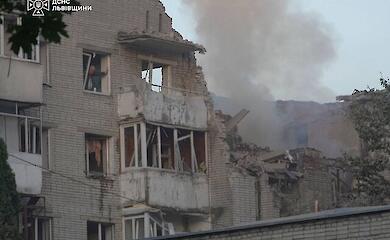
Russia has attacked Lviv with drones and missiles: dozens of residential buildings have been damaged and there are casualties
News about war
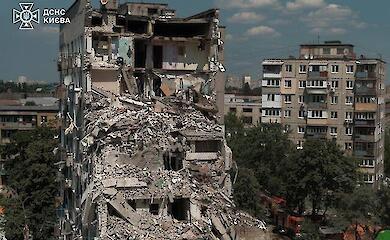
The UN has reported a sharp rise in the number of Ukrainian civilians killed as a result of the war
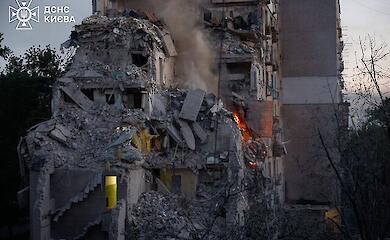
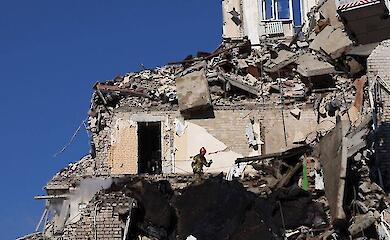
3 July has been declared a day of mourning in Kyiv. The number of dead and injured is rising