

A 16 million year old "queen" ant has been found in Dominican amber


A new species of ant in amber
Scientists have described a new species of ant found in Dominican amber. It was named Hypoponera electrocacica. The main value of the find is that this is the first time that the genus Hypoponera has been found in fossil materials from the Western Hemisphere - previously such finds were known mainly from Europe.
The specimen is a winged queen (mate), that is, an ant from the "reproductive caste" rather than a worker individual. The researchers note that this complicates comparisons with modern species: it is the worker ants that are most often studied, and queens are less well described.
The genus Hypoponera is now distributed almost worldwide and includes more than 150 species. These ants usually live in soil and forest litter, so they are rarely found in amber: the resin better "catches" insects that live on trees. That is why the find is considered unusual - a small "terrestrial" ant almost should not have been caught in tree resin.
According to the authors, the fossil is important for two reasons at once:
- it confirms that Hypoponera lived in the Caribbean at least 16 million years ago;
- the ancient queen looks a lot like modern representatives, which means that this group of ants may not have changed much for a very long time.
Mykola Potyka has a wide range of knowledge and skills in several fields. Mykola writes interestingly about things that interest him.
Related news
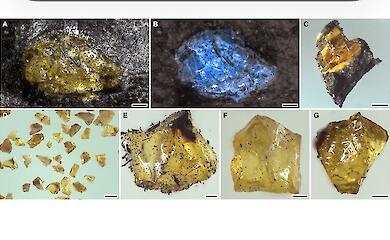
The oldest piece of amber, dating back 385 million years, has been discovered in China


Bones have shed light on the unusual lives of Egyptian princesses

Who lived in Europe’s last pagan state? The answer surprised the scientists

Scientists have uncovered the secret behind Roman concrete, which has remained intact for 2,000 years
Popular news



Scientists have discovered that power among the Scythians was passed down through the family line


Navrotsky has announced a ban on the red-and-black flag in Poland: what will change

News about war

The UN has reported a sharp rise in the number of Ukrainian civilians killed as a result of the war



3 July has been declared a day of mourning in Kyiv. The number of dead and injured is rising