Ticks attack: what to do when bitten and how to protect yourself from the consequences


With the onset of warm days, not only dacha dwellers become active, but also ticks.
From May to October, ticks are particularly active - and pose a danger to both humans and animals.
How do ticks find their prey?
Despite popular belief, ticks don't jump. They sit in the grass or on bushes and cling to the body of a person or animal as they pass by. The tick then takes a long time to find a convenient place to bite.
What are the dangers of a tick bite?
Ticks carry:
Lyme disease (borreliosis) - causes redness, swelling, fever, weakness.
Tick-borneencephalitis - affects the nervous system, causes headache, nausea, insomnia and can have serious consequences.
What should I do if I get a tick bite?
Go to a trauma centre or doctor as soon as possible (within 72 hours).
If you cannot get help, remove the tick yourself:
gently grasp it with tweezers or a loop of string as close to the skin as possible;
twist it slowly in a clockwise direction;
do not use oil or creams!
Treat the bite site with an antiseptic (alcohol, chlorhexidine). Do not use green oil or iodine.
How to protect yourself from ticks?
Wear light-coloured clothes with long sleeves.
Treat clothing and skin with tick repellent.
Inspect yourself and your family thoroughly after a walk.
In areas with a high risk of encephalitis, get vaccinated.
🐾 How to protect your pet from ticks
1. Treat your pet with tick repellent:
drops on the withers (every 3-4 weeks),
collars (up to 8 months),
sprays (before a walk),
tablets (as recommended by a veterinarian).
2.Inspect the animal after walks: Check especially carefully:
ears, neck,
belly, armpits,
between the toes.
3. Avoid tall grass. Keep your dog on a lead when walking.
4. Piroplasmosis vaccination (for dogs) - discuss with your vet if you live in a risk area.
5. If a tick is found:
contact a clinic;
monitor the animal's behaviour - lethargy, fever, refusal to eat - signal an urgent visit to the vet.
Mykola Potyka has a wide range of knowledge and skills in several fields. Mykola writes interestingly about things that interest him.
Related news
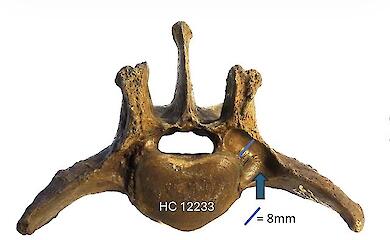
Traces of inbreeding have been found in the bones of sabre-toothed tigers


Why did Portugal’s giant bears gradually shrink to almost half their original size?
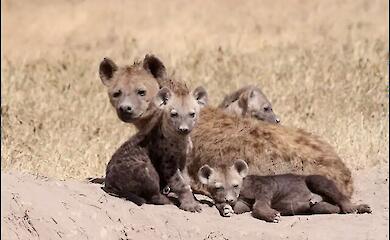
Scientists have uncovered the secret behind the dominance of female hyenas


Popular news

An antidote to one of the most potent marine venoms has been found in frogs

Traces of water heated to 300 degrees have been found near the “Lost City”

A gold tiara found in a woman’s tomb has astonished archaeologists


News about war

The UN has reported a sharp rise in the number of Ukrainian civilians killed as a result of the war



3 July has been declared a day of mourning in Kyiv. The number of dead and injured is rising