
There is a shortage of potatoes in Belarus, and the harvest has nothing to do with it

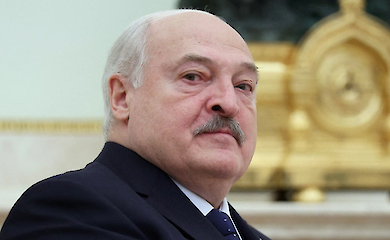
Against the background of the potato deficit in Belarus, Alexander Lukashenko recommended citizens to reduce the consumption of this product. "Once a week, two at most, and then baked, mashed," he said.
Lukashenko believes that excessive enthusiasm for potatoes threatens to gain excess weight, while the proposed diet will have a favourable effect on the figure: "If we eat potatoes, as we write in "tiktoks," we won't be thin. Such statements appeared against the background of potato deficit on the country's shelves.
Alexander Lukashenko's decisions to tightly control the price of products have led to a massive outflow of the crop to Russia and shortages at home, claim economists and representatives of the opposition.
According to Politico, the potato crisis worsened in the spring of 2025. On the shelves of shops - small, rotten or no potatoes at all. The reason is in the economic policy, which Lukashenko has been pursuing since October 2022. Then he introduced price restrictions on basic products to curb inflation. However, instead of stability, the country faced falling profitability and demotivation of agricultural producers.
"If you remember the history of the USSR, it becomes clear: if people are not motivated, you will not make them work well," explains Lev Lvovsky, academic director of the BEROC Economic Centre.
According to his data, in 2024 Belarus will harvest only 3.1 million tonnes of potatoes - almost a million less than a year earlier. Farmers massively sold the crop to Russia, where prices were twice as high. In 2024, Belarus exported about 200 thousand tonnes of potatoes to Russia, becoming its largest supplier.
The situation was aggravated by export bans. In December 2024, Minsk restricted the export of potatoes abroad without a special licence. In response, according to BEROC, many farmers started to register healthy tubers as "rotten" in order to circumvent the restrictions and still send the produce to Russia.
Meanwhile, low-quality potatoes appeared on the shelves in Belarus, and sometimes disappeared altogether.
"This is a typical example of how Lukashenko's regime itself is creating a shortage of goods that used to be in abundance," said Ales Alakhnovich, economic adviser to Sviatlana Tikhanovskaya.
Official Minsk responds to criticism in the usual way.
"All negative trends have been suppressed. Price regulation has not caused any imbalances. There are enough goods, prices are reasonable," said First Deputy Minister of Antimonopoly Regulation Ivan Vehnovets in March.
Nevertheless, the authorities were forced to change the rules. In April, the price ceiling for potatoes was raised to stimulate domestic sales. And in May, the government temporarily cancelled the ban on imports of products from EU countries, previously recognised as "unfriendly", including potatoes.
According to Lvovsky, the situation has begun to stabilise, but the government's methods of fighting the deficit raise questions. In June, Lukashenko said the shortage was caused by "sabotage" and hinted at arrests.
"There was enough potatoes. But supplies were restricted to demonstrate the harm of the president's interference in pricing. And when the State Control Committee came and put handcuffs on the table, the potatoes were found," he said at the meeting.
In May, the authorities opened a hotline where shoppers can complain about shops not selling potatoes or setting "inflated" prices.
"The goal is to intimidate retailers so much that they start pulling potatoes out of thin air," Lvovsky ironically said.

Journalist and editor of informational and analytical programs.
Related news
AFU put on high alert amid Belarus' activity near the border - Forbes

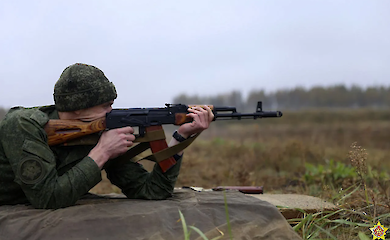
Units of the Armed Forces of Belarus have been brought to the highest combat readiness

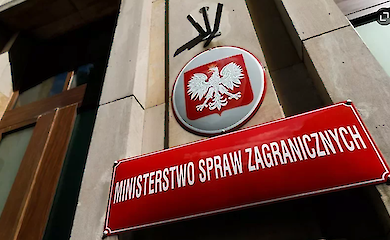
Polish Foreign Ministry urged Polish citizens to urgently leave Belarus
Popular news
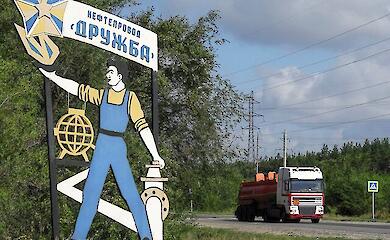
Orban announces "results" of Hungarian mission on Druzhba oil pipeline


Will maternity leave be shortened in Ukraine? Changes for workers with children

Zelensky said that Russia was preparing a new offensive and pointed out the direction of it
Kellogg named the ceasefire condition today and compared Putin to Nicholas II

News about war
Orban announces "results" of Hungarian mission on Druzhba oil pipeline
Kellogg named the ceasefire condition today and compared Putin to Nicholas II
Zelensky said that Russia was preparing a new offensive and pointed out the direction of it
Russia is destroying Ukraine twice as fast as at the start of the war - international report