
Social assistance for Ukrainians: majority of Germans oppose it


Germans demand reform in payments for Ukrainian refugees.
Dissatisfaction with social assistance rules for Ukrainian refugees is growing in Germany. A new INSA poll conducted for the BILD publication has shown that the majority of German citizens do not support the payment of unemployment benefits (Bürgergeld) for Ukrainians. 66 per cent of those polled were opposed, while only 17 per cent believe that Ukrainians are entitled to such payments.
Germany annually pays about 6.3 billion euros of social assistance to about 700 thousand Ukrainian refugees. However, according to official figures, only a third of them are employed, and the majority, who arrived in 2022, have yet to find work on the German market.
Germans have even harsher opinions about Ukrainian men of conscription age. 62% of respondents believe that such men should return to Ukraine, while only 18% are against it. 8% of respondents expressed indifference to this issue.
Sociologists note that the results of the survey indicate a growing public demand for changes in refugee policy and social assistance.
The German Ministry of Labour is already preparing a reform. In the draft budget for 2026, it is planned to reduce spending on Bürgergeld by 1.5 billion euros if newly arrived Ukrainians receive lower payments under the law on assistance to asylum seekers. The reform will not come into force until next year at the earliest, and the first hearing of the bill in the Bundestag is due to take place before Christmas.

Elena Rasenko writes about science, healthy living and psychology news, and shares her work-life balance tips and tricks.
Related news
The loss of the middle class: what a new study on Ukrainian refugees showed


Berlin suggested that Ukraine reduce the number of men leaving the country for the EU


An EU country has announced its intention to stop accepting military conscripted men of conscription age
Popular news
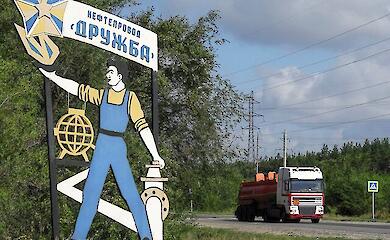
Orban announces "results" of Hungarian mission on Druzhba oil pipeline


Will maternity leave be shortened in Ukraine? Changes for workers with children


Zelensky said that Russia was preparing a new offensive and pointed out the direction of it

Kellogg named the ceasefire condition today and compared Putin to Nicholas II

News about war
Orban announces "results" of Hungarian mission on Druzhba oil pipeline
Kellogg named the ceasefire condition today and compared Putin to Nicholas II
Zelensky said that Russia was preparing a new offensive and pointed out the direction of it
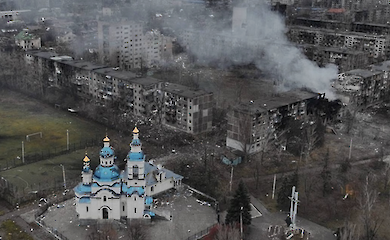
Russia is destroying Ukraine twice as fast as at the start of the war - international report