Sixth-century Sutton Hoo-style sword found in Kent: sensational find by archaeologists


In a rural area of Kent, archaeologists have uncovered an impressive 6th century sword dating back to the Anglo-Saxon era.
The find is already being compared to the legendary weapon from Sutton Hoo (the site of a famous burial in Suffolk), The Guardian reports.
According to scientists, the sword is strikingly well-preserved and has a silver-gold hilt with fine ornamentation.
Runic inscriptions were found on the blade, and parts of its sheath, made of leather and wood, even preserved the inside - the beaver fur with which the blade was lined. Special details include a small ring on the hilt tip: it is thought that it may have symbolised an oath of allegiance to a king or other dignitary.
The sword was found during excavations in a small Anglo-Saxon cemetery near Canterbury (the exact location has not been disclosed, as scientists plan to continue their work there). In the burial ground, which is about 1.5 thousand years old, 12 graves have been discovered so far - but archaeologists estimate that there could be as many as 200. The research is planned for years to come.
Duncan Sayer, professor of archaeology at the University of Central Lancashire, who is leading the team, said it was an "astonishing piece of weaponry" that could rival finds from Sutton Hoo and Dover in terms of workmanship. In the same grave where the sword lay, a gold pendant depicting a snake or dragon was found. Such jewellery is usually associated with upper-class women, so it is possible that this amulet belonged to a close female relative of the warrior.
All male burials in this cemetery are characterised by the presence of weapons (spears, shields), while female burials contain knives, buckles and jewellery. The finds suggest that some of the items were imported from Scandinavia and the Frankish state, indicating close political and trade ties in the fifth and sixth centuries.
The discoveries will be featured in a new six-part programme, Excavations in Britain, on BBC Two. Professor Alice Roberts, who hosts the TV project, calls the sword one of the most amazing objects ever found in excavations of Anglo-Saxon burials.
Now the researchers plan to study all the items in detail, including with the help of a microscope, which shows the smallest details under high magnification. For example, on the sword they managed to find insect pupae, indicating that the body was not buried at once, but left open for some time to bid farewell to loved ones.
After complete conservation, the sword and other artefacts will be transferred to the Folkestone Museum, where they will become part of the permanent exhibition.
An independent researcher, interested in archaeology and sacred geography. He researches them and writes about them.
Related news

The bones of people from ancient villages have revealed the secret of the Maya’s diet

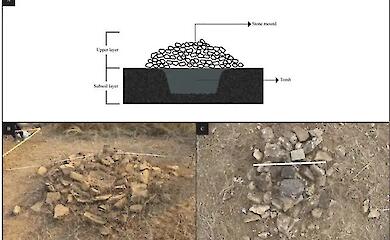
Angola’s oldest burial sites were excavated a few months before the flooding
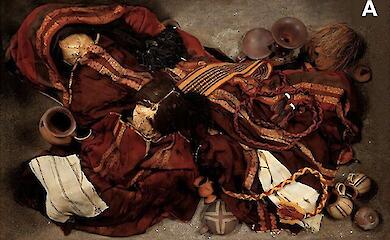
Modern forensic science has revealed new details about Inca human sacrifices
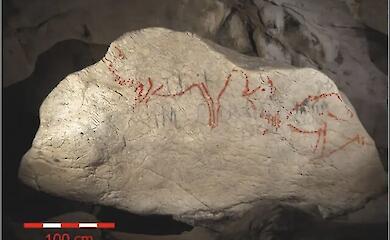
Scientists have discovered a hidden pattern in 16,000-year-old cave paintings
Popular news

An antidote to one of the most potent marine venoms has been found in frogs


Traces of water heated to 300 degrees have been found near the “Lost City”
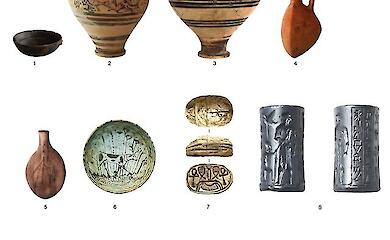
A gold tiara found in a woman’s tomb has astonished archaeologists

News about war

The UN has reported a sharp rise in the number of Ukrainian civilians killed as a result of the war



3 July has been declared a day of mourning in Kyiv. The number of dead and injured is rising