
Scientists have explained why dogs eat poop
- Home
- Life
- Healthy lifestyle
- Scientists have explained why dogs eat poop


Why do dogs eat poo? Scientists explain (and not everything is as gross as it seems) 🐶💩
When Valerie the dachshund spent 529 days free in the wild on Kangaroo Island (Australia), experts believe she survived by eating... other animals' faeces. And even though it sounds unsavory, this behaviour is far from uncommon among dogs.
Yes, yes, we're talking about coprophagia - the scientific term for eating faeces. And strangely enough, almost half of all dogs try it at least once in their lives, and one in four do it regularly, according to The Conversation magazine.
Why they do it
Among dogs' wild relatives - wolves and foxes - this behaviour is considered quite normal. Females eat the faeces of their pups to avoid leaving odours that could attract predators. It is also thought that fresh faeces may contain fewer parasites and eating them reduces the risk of infection.
Puppies often learn from their mums - literally repeating after them. So it's partly just a legacy of instinct.
Or maybe it's healthy?
As disgusting as it sounds to us, there can still be nutrients in faeces, especially if the body doesn't digest food well. In extreme conditions like Valerie's, it's a matter of survival.
Also, dogs have different preferences for smell, taste and texture. What seems "yuck" to us may seem "yum" to them.
What could be the problem?
Sometimes coprophagia is a signal of health problems. GI diseases, imbalances of bacteria in the gut, vitamin deficiencies can all be a cause. So if your dog regularly "spoils", go to the vet.
Sometimes the behaviour is due to psychological discomfort: boredom, stress, punishments for toilet lapses, living in a cramped enclosure can all contribute to this 'snacking'.
Why can it ruin a relationship?
Dog owners are disgusted or disturbed when they see something like this. It may even be a reason to take the animal back to the shelter. And for nothing! Behaviour can be corrected.
What to do?
Here are a few simple steps:
Don't scold your dog for toilet lapses - he may start "destroying evidence".
Walk more often and encourage toileting in the correct place.
Remove 'artefacts' from the area and from the cat's litter tray, if present.
More socialisation, toys and activity - it distracts and reduces stress.
Check with your vet if the behaviour persists.
Valerie's story is a reminder: what seems gross to us may be a matter of instinct, survival - and just plain life - for dogs. Empathy and understanding, not just "yuck!" - is what will help you cope.
Maria Grynevych, project manager, journalist, co-author of Guidebook Sacred Mountains of the Dnieper Region, Lecture Course: Cult Topography of the Middle Dnieper Region.
Related news
Traces of inbreeding have been found in the bones of sabre-toothed tigers

Why did Portugal’s giant bears gradually shrink to almost half their original size?
Scientists have uncovered the secret behind the dominance of female hyenas
Popular news
An antidote to one of the most potent marine venoms has been found in frogs
Traces of water heated to 300 degrees have been found near the “Lost City”
A gold tiara found in a woman’s tomb has astonished archaeologists

News about war
The UN has reported a sharp rise in the number of Ukrainian civilians killed as a result of the war

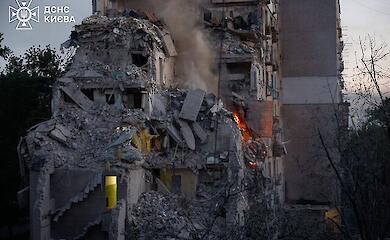
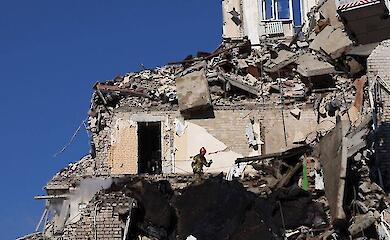
3 July has been declared a day of mourning in Kyiv. The number of dead and injured is rising