

Scientists have discovered anti-depressants have anti-cancer properties
- Home
- Life
- Healthy lifestyle
- Scientists have discovered anti-depressants have anti-cancer properties


Modern medicine has made significant advances in the treatment of various cancers, but some tumours remain difficult to cure. One such aggressive cancer is glioblastoma, a tumour affecting the brain.
A study led by Professor Behrend Sneider from the Swiss University of Technology Zurich has discovered the surprising properties of the antidepressant vortioxetine. This relatively inexpensive drug, which is already used in the US and EU countries to treat depression, could prove promising in the fight against glioblastoma. The findings were published in the journal Nature Medicine.
To discover these properties, the scientists used pharmacoscopy technology, an innovative platform for testing a large number of substances on living cells. Using this technique, the researchers tested 130 different drugs, including antidepressants, Parkinson's disease drugs and antipsychotics, on tumour tissues obtained from 40 glioblastoma patients. Pharmacoscopy has previously only been used for blood cancers, and the new study was the first successful application of the technique to solid tumours such as glioblastoma.
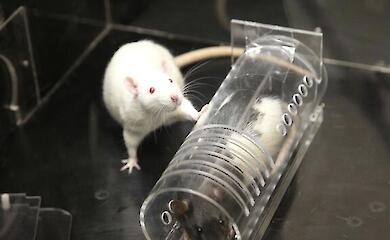
The results showed that vortioxetine was the most effective. This antidepressant activated signalling cascades in brain cells, which slowed tumour cell division and had a positive effect on neurons. Tests on mice with glioblastoma confirmed the effectiveness of vortioxetine, especially when combined with conventional chemotherapy.
One of the reasons for this result was the interaction between neurons and tumour cells through a common signalling cascade that was activated by vortioxetine. This discovery explains why some neuroactive drugs may be effective in fighting brain cancer cells.
Despite the encouraging results, researchers caution against using vortioxetine on its own to treat cancer. So far, the drug has only been tested on cell cultures and mice, and its effectiveness on humans requires further clinical trials. Scientists plan to conduct clinical trials on patients with glioblastoma to determine the optimal dosage and confirm the results in practice.
Elena Rasenko writes about science, healthy living and psychology news, and shares her work-life balance tips and tricks.
Related news


More light during the day means better sleep at night: what scientists have discovered


Scientists have identified psychological traits associated with healthy ageing



Popular news

Scientists have discovered that power among the Scythians was passed down through the family line


Navrotsky has announced a ban on the red-and-black flag in Poland: what will change

Why children’s accounts of the trauma they have experienced may vary
News about war

The UN has reported a sharp rise in the number of Ukrainian civilians killed as a result of the war



3 July has been declared a day of mourning in Kyiv. The number of dead and injured is rising