
Results of a 25-year study: how different types of headaches are linked to suicide risk
- Home
- Life
- Healthy lifestyle
- Results of a 25-year study: how different types of headaches are linked to suicide risk


A recent large-scale cohort study conducted in Denmark found an increased risk of attempted and completed suicide in people with headache-related diagnoses.
Researchers from Aarhus University have found that patients with migraine, tension headache, post-traumatic headache and Trigeminal Autonomic Cephalalgia (TAC) are at a higher risk.
According to statistics, about 66.6 per cent of the world's population suffers from headaches. At the same time, they are often joined by mental disorders. Previously it was known about the relationship between migraine and suicidal thoughts, but data covering all types of headaches, until now, there was a lack of data. The new study, however, gives a more complete picture regarding suicidal risk in different categories of patients.
Study Design
The paper, "Risk of Attempted and Completed Suicide in Persons Diagnosed With Headache," published in JAMA Neurology, covered the period from 1995 to 2020 and included Danes aged 15 years and older. All patients with a first-time diagnosis of headache (119,486 people) were compared with a control group of 597,430 people without similar diagnoses (5:1 ratio). Headache types such as migraine, tension headache, post-traumatic headache and trigeminal autonomic cephalalgia (ICD-10 classification) were taken into account.
Results
- Suicide attempts
Over 15 years, the absolute risk among people with headache was 0.78%, compared with 0.33% in the control group. The difference in risk (0.45%) indicates a significant increase in the likelihood of attempts. - Completed suicides
The absolute 15-year risk for headache patients reached 0.21% versus 0.15% for healthy participants, giving a difference of 0.06%. After adjustment for comorbidities, the risk remained higher (hazard ratio, HR, for attempts was 2.04 and for deaths was 1.40).
Individual types of pain disorders were additionally studied:
- Migraine: HR 1.71 for attempts and 1.09 for completed suicides.
- Tension headache: HR 1.91 (attempts) and 1.44 (completed cases).
- Posttraumatic headache: HR 3.14 (attempts) and 3.22 (completed cases).
- Trigeminal Autonomic Cephalalgia (TAC): HR 1.97 (attempts) and 2.40 (completed cases).
Impact of comorbidities
Patients with headache were more likely to have other health problems: cancer, cardiovascular and pulmonary disease (COPD), strokes, head injuries, mood disorders, addictions, and others. Even with these diagnoses taken into account, the increased risk of suicide in people with headaches remained. In patients with pre-existing mental disorders (depression, addictions), the association was reduced but still significant. Increased risk was found regardless of gender, age, income or education level.
Conclusions and recommendations
The authors emphasise that timely psychological and behavioural support for patients with any of the above types of headaches is essential. The results of the study point to the need for early risk assessment and active accompaniment in a group of people suffering from these disorders.
Source:
Holly Elser et al, Risk of Attempted and Completed Suicide in Persons Diagnosed With Headache, JAMA Neurology (2025). DOI: 10.1001/jamaneurol.2024.4974
Elena Rasenko writes about science, healthy living and psychology news, and shares her work-life balance tips and tricks.
Related news

Traces of water heated to 300 degrees have been found near the “Lost City”


An antidote to one of the most potent marine venoms has been found in frogs

Scientists have described, for the first time, the young of a fish that lived 152 million years ago

Popular news

Scientists have discovered that power among the Scythians was passed down through the family line



Navrotsky has announced a ban on the red-and-black flag in Poland: what will change


Why children’s accounts of the trauma they have experienced may vary
News about war
The UN has reported a sharp rise in the number of Ukrainian civilians killed as a result of the war

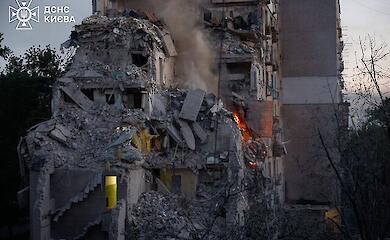
3 July has been declared a day of mourning in Kyiv. The number of dead and injured is rising