
Psychological tolerance to pain boosts activity levels - study


The physical activity of people with chronic pain depends not so much on the pain itself, but on how the person relates to it and copes with it.
This conclusion was reached by researchers from the University of Portsmouth (UK), who published the results of their work in the journal PLOS One.
The key factor determining the level of activity was pain tolerance - the ability to maintain a positive attitude and function despite discomfort.
The study was led by Dr Nils Niederstrasser from the School of Psychology, Sport and Health Sciences. The scientists analysed data from 172 people with chronic pain to find out what factors really affected their physical activity levels. These included fear of movement (kinesiophobia), body fragility, number of pain areas, duration and intensity of pain.
It turned out that it was pain tolerance - not fear of movement or pain intensity - that was the determining factor. People with high resilience maintained higher levels of physical activity no matter how severe their pain was.
"We found that it's not the pain itself that determines how active a person is - it's more important how they perceive and cope with it," Dr Niederstrasser explained. - "This suggests that the psychological attitude to pain is more important than its physical intensity."
According to the researchers, the focus of chronic pain treatment should shift from suppressing symptoms to developing psychological resilience. This could not only improve patients' quality of life, but also reduce risks associated with sedentary behaviour such as obesity, diabetes and cardiovascular disease.
"People with higher resilience are able to maintain a positive attitude and keep moving even when experiencing discomfort," adds Niederstrasser. - "This is an important shift from focusing on negative aspects, such as fear of pain, to understanding the power of psychological resilience."
Previously, the same team of scientists showed that high physical activity can reduce the risk of developing chronic pain. They suggested that exercise, weight control and tackling social inequalities should be included in prevention programmes.
The scientists are now planning further studies to see if specialised techniques can be used to improve pain tolerance and thereby increase the level of physical activity in patients.
Mykola Potyka has a wide range of knowledge and skills in several fields. Mykola writes interestingly about things that interest him.
Related news

Scientists have explored the glacier on the summit of Mount Ararat for the first time



A parasite turned worker ants into ‘queens’ and extended their lives

Popular news

Ukrainian security services have been recognised as among the best intelligence services in Europe – L'Express


Irina Levchenko, the abducted Ukrainian journalist, has been transferred to the Donetsk remand centre: what is known


Evidence has been found in Australia of an unusual ritual that has been practised for thousands of generations

News about war

The UN has reported a sharp rise in the number of Ukrainian civilians killed as a result of the war

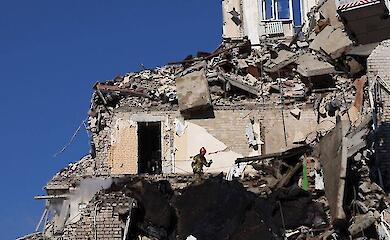
3 July has been declared a day of mourning in Kyiv. The number of dead and injured is rising