

The world is on the brink of a food crisis - Boomberg


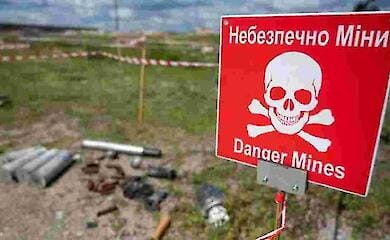
The main causes of the crisis were the war in Ukraine and the climate.
Extreme weather conditions faced by many countries, as well as the war in Ukraine, threaten the world with food shortages. Bloomberg writes about it.
As experts note, we are talking about different types of products produced on all continents.
The newspaper writes that problems were reported in India. There limited the export of rice, which is one of the main products in the country. The restriction on its export was introduced due to the shortage of rice from agricultural producers and, consequently, the rise in its prices in the domestic market.
According to the Ministry of Food, retail rice prices in Delhi have risen by about 15 per cent this year, while the average national price has risen by 9 per cent," the newspaper said, citing official sources in the Indian government.
Similar problems have been reported in China, while bread and fruit producers in the US have reported reduced yields.
Tim Benton, an expert on food security at Chatham House in London, said that European producers are also experiencing problems. For example, he pointed out that southern Europe is so hot that cows are producing less milk and tomatoes are spoiling.
After dealing with the drought, cereal crops will also be much smaller, he pointed out.
Benton noted that mould on tomatoes has been reported in Sicily. A traditional vegetable supplier reported massive spoilage of plants.
In Sicily, some tomatoes have ominous black spots as a result of so-called flower tip rot, when extreme weather conditions cause the plants to become calcium deficient. It's as if they've been burnt at the bottom," the expert pointed out.
Also in Italy said about the low harvest of grapes, melons, apricots and aubergines, wheat.
As for cereals, European producers expect the supply on the market to drop to 60 per cent.
The specialist noted that the climate is changing, but plants cannot adapt so quickly to temperature changes, so "food shocks" await mankind.
Elena Rasenko writes about science, healthy living and psychology news, and shares her work-life balance tips and tricks.
Related news
FT: war in the Middle East could lead to a food crisis that exceeds 2022 levels


Merz urged the EU to prepare for a crisis over Trump's policies

The microcosm of honey: how "liquid gold" can protect our health


Popular news
Orban announces "results" of Hungarian mission on Druzhba oil pipeline


Will maternity leave be shortened in Ukraine? Changes for workers with children


Zelensky said that Russia was preparing a new offensive and pointed out the direction of it

Kellogg named the ceasefire condition today and compared Putin to Nicholas II

News about war
Orban announces "results" of Hungarian mission on Druzhba oil pipeline
Kellogg named the ceasefire condition today and compared Putin to Nicholas II
Zelensky said that Russia was preparing a new offensive and pointed out the direction of it
Russia is destroying Ukraine twice as fast as at the start of the war - international report