
Influenza and intestinal infections are on the rise: how to protect yourself during the virus season?
- Home
- Life
- Healthy lifestyle
- Influenza and intestinal infections are on the rise: how to protect yourself during the virus season?


During the height of flu season and mass gastrointestinal illnesses ("intestinal flu"), it is critical to take preventative measures and know when to see a doctor.
Dr Priya Soni, a paediatric infectious disease specialist at Cedars-Sinai Medical Center (Los Angeles), explains what to expect from the current wave of illness and gives practical advice on how to stay healthy.
The current flu picture: what do you need to know?
- The length of the season
The flu surge usually occurs between October and March, peaking in January and February. According to experts, the incidence of the disease this winter is similar to the previous season, with the dynamics of incidence increasing across the country. - Main symptoms
Influenza often begins suddenly. Among the most common manifestations- High fever
- Chills
- Body and joint pain
- Headache
- Severe fatigue
- Nasal congestion
- Sore throat
When should I see a doctor?
The flu can most often be managed at home, but there are some signs that suggest you should seek medical attention:
- Fever that does not subside for 3 to 5 days
- Worsening cough or feeling short of breath
- Signs of dehydration (severe dry mouth, dizziness, infrequent urination)
- Recurrence of fever after improvement, which may indicate complications such as pneumonia
Can I still get the flu shot?
Yes, experts assure that it is not too late to get vaccinated even now. According to Dr Sonia, vaccination helps to reduce the severity of the disease and the risk of complications, especially in risk groups (young children, the elderly, pregnant women, people with chronic pathologies). Even if the vaccine does not perfectly match the current strain, it still partially protects against the severe effects of influenza.
What is norovirus and how is it spread?
Norovirus (sometimes called "stomach flu") is a highly contagious virus that causes vomiting, diarrhoea, abdominal pain and sometimes a mild fever. It is most often transmitted through contaminated food, water and surfaces, being one of the leading causative agents of foodborne infections.
How can I protect myself during the virus season?
With flu, norovirus and other seasonal infections on the rise, it's a good idea to take basic safety precautions:
- Wash hands: Especially thoroughly after going outdoors, using the toilet and before eating.
- Wear a mask: Especially in crowded places and when in contact with people at risk.
- Stay away from sick people: Avoid close contact with people who are already sick and use separate utensils and towels if possible.
- Staying at home when you feel unwell: This protects those around you and allows your body to recover more quickly.
- Save yourenergy: Listen to your body and don't overexert yourself when your body is fighting a viral load.
Dr Soni emphasises that faithfully following these simple guidelines can significantly reduce the risk of catching the flu or 'intestinal flu' and keep you safe from complications.
For more information on flu treatment, you can contact your doctor.
Elena Rasenko writes about science, healthy living and psychology news, and shares her work-life balance tips and tricks.
Related news


A simple marker of future memory decline has been identified in older people


Scientists have explained why it is important and beneficial to follow the diet prescribed by your doctor

Popular news
Ukrainian security services have been recognised as among the best intelligence services in Europe – L'Express

Irina Levchenko, the abducted Ukrainian journalist, has been transferred to the Donetsk remand centre: what is known


Scientists have put forward an explanation as to why there were no tiny dinosaurs

How to cook sweetcorn properly so that it’s juicy and sweet: the best method revealed
News about war
The UN has reported a sharp rise in the number of Ukrainian civilians killed as a result of the war
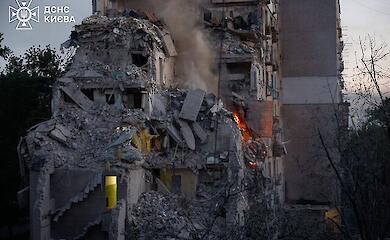
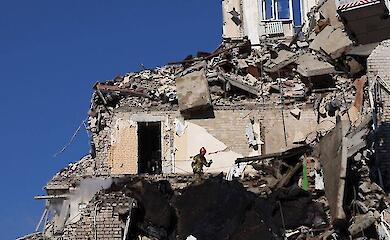
3 July has been declared a day of mourning in Kyiv. The number of dead and injured is rising