


Childhood trauma has been linked to complications during childbirth
- Home
- Life
- Healthy lifestyle
- Childhood trauma has been linked to complications during childbirth


Women who experienced multiple traumatic events in childhood were significantly more likely to experience difficult labour and complications than those who did not report such experiences.
They have a higher risk of emergency caesarean section, massive haemorrhage, pre-eclampsia and need for antibiotics.
Researchers from Uppsala University (Sweden) came to these conclusions after analysing data from 1,253 women who were followed from early pregnancy to a year after delivery, Uppsala University reports. The results are published in the journal PLOS One.
How childhood experiences were tested for a link to childbirth
The scientists proceeded from the already known fact that conditions and behaviours in childhood strongly influence adult life - from mental health to social well-being. But exactly how childhood traumas affect the course of childbirth has been little studied until now.
In the new study, women were asked to fill out questionnaires early in pregnancy and a year after giving birth. The questionnaires asked questions:
about traumatic experiences in childhood (physical and emotional abuse, physical and emotional deprivation, family dysfunction);
the mode of delivery;
obstetric complications.
Participants were then divided into groups according to the number of traumas experienced:
0 traumas - 42% of women;
1-3 traumas - 46%;
4 or more traumas - 12%.
It was in the latter group - those with four or more episodes of childhood trauma - that complications were most common.
More pre-eclampsia, caesarean births and haemorrhage
Compared to women who did not report childhood trauma, participants with four or more traumatic events:
four times as many cases of pre-eclampsia occurred;
twice as likely to require a caesarean section (especially emergency);
the risk of severe haemorrhage in labour (more than 1000 ml) was more than three times higher;
prescription of antibiotics was about three times more common.
"It was a surprise to us that early life events can so clearly influence somatic outcomes of labour - both the woman herself and the situation requiring intervention by medical staff," notes study leader Per Christianson, a general practitioner and adjunct professor at Uppsala University.
Why this is important for medicine
The authors emphasise: it is not that every woman with a difficult childhood experience will necessarily experience complications. But the statistical differences are pronounced enough to suggest clinical significance.
Christianson says the health care system needs to be bolder about bringing up the topic of childhood trauma in its interactions with pregnant women:
"Health care providers need to have the courage to ask women about their experiences as children so that more attention can be paid to those who have experienced trauma and try to prevent or mitigate negative consequences after delivery."
Such information can help to:
identify a high-risk group in advance;
plan more carefully the management of pregnancy and childbirth;
better manage postpartum care.
The researchers plan further work to understand what mechanisms - hormonal, stress, behavioural or social - link traumatic childhood experiences to birth complications.
Maria Grynevych, project manager, journalist, co-author of Guidebook Sacred Mountains of the Dnieper Region, Lecture Course: Cult Topography of the Middle Dnieper Region.
Related news
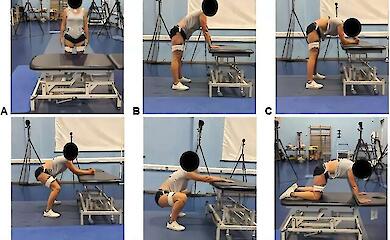
Research: different childbirth positions change pelvic position differently


Researchers have found that difficulty controlling emotions during pregnancy can predict postpartum depression

Fear of childbirth: why it's important to keep a positive attitude

Ukrainian filmmaker and soldier Oleg Sentsov suffered a contusion at the front

Popular news

How to cook sweetcorn properly so that it’s juicy and sweet: the best method revealed

Archaeologists have discovered who actually built Colombia’s ancient canals


Scientists have put forward an explanation as to why there were no tiny dinosaurs

An expert explains how Russia is changing its tactics for strikes on Kyiv

News about war
An expert explains how Russia is changing its tactics for strikes on Kyiv

The UN has reported a sharp rise in the number of Ukrainian civilians killed as a result of the war

