
Bloating after a festive feast: normal or cause for concern?
- Home
- Life
- Healthy lifestyle
- Bloating after a festive feast: normal or cause for concern?


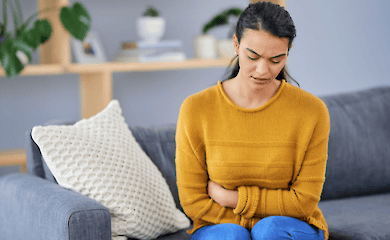
As the holidays approach, many of us are faced with an unpleasant side effect of heavy feasting - bloated stomach.
Gastroenterologist at Baylor College of Medicine, Dr David Shafron, shared tips on what causes bloating, which foods to avoid and when to see a doctor.
What bloating is and why it occurs
Abdominal bloating is a sensation of gas accumulation in the abdomen, a feeling of fullness or pressure. It can last from a few minutes to several hours, depending on the cause.
The main causes of bloating are:
- Food factors: Certain foods can cause increased gas.
- Medications: Some medications affect the gastrointestinal tract.
- Gutmicroflora imbalance: Changes in the composition of bacteria can lead to discomfort.
- Intestinal motility disorders: Reduced peristalsis slows the passage of food.
- Constipation and post-operative conditions: Can interfere with the normal movement of gases.
- Psychosomatic factors: Increased sensitivity of nerve endings in the intestines.
Foods that cause bloating
The two main culprits of bloating are lactose and fructose. As we age, many people lose the ability to digest these carbohydrates efficiently, leading to discomfort.
Foods rich in lactose and fructose:
- Vegetables: asparagus, cauliflower, garlic, onions, mushrooms.
- Fruits: apples, cherries, mangoes, peaches, pears, watermelon.
- Cereals and legumes: chickpeas, wheat flour, most pastas, beans, tofu.
- Dairy products: cream cheese, cow's milk, oat milk and soya milk.
- Nuts: cashews and pistachios.
- Meat products: sausages.
Even artificial sweeteners such as mannitol, xylitol and sorbitol can cause bloating.
How to deal with bloating
- Keep a food diary: If bloating bothers you more than once a week for several months, write down your diet to identify problem foods.
- Moderate eating: Try to eat potentially bloating-causing foods in small amounts.
- Physical activity: Regular exercise stimulates bowel function and helps reduce symptoms.
- Healthy bowel habits: Stick to your eatinghabits and don't skip meals.
When to see a doctor
If, despite dietary and lifestyle changes, bloating becomes severe and is accompanied by weight loss, vomiting or intense pain, you should see a specialist immediately.
Taking care of your health is especially important during the festive period. The right approach to nutrition and careful attention to the signals of your body will help you enjoy the holidays without unpleasant consequences.
Maria Grynevych, project manager, journalist, co-author of Guidebook Sacred Mountains of the Dnieper Region, Lecture Course: Cult Topography of the Middle Dnieper Region.
Related news
Those who started eating after 12:00 had a higher risk of death — a large study


As we get older, our brains change — but our ability to understand speech remains virtually unaffected
Vitamin D and memory: scientists have found that an effect is only observed at doses of 5,000 IU or more

This everyday habit was found to be associated with a 24 per cent reduction in the risk of death

Popular news
How to cook sweetcorn properly so that it’s juicy and sweet: the best method revealed

Archaeologists have discovered who actually built Colombia’s ancient canals


Russia has received new weapons from North Korea: which regions of Ukraine could be at risk

Bones of ancient humans found on the seabed of the Taiwan Strait suggest they were up to 190 cm tall

News about war


An expert explains how Russia is changing its tactics for strikes on Kyiv


The UN has reported a sharp rise in the number of Ukrainian civilians killed as a result of the war

