


Alcohol and cancer risk: what do you need to know?
- Home
- Life
- Healthy lifestyle
- Alcohol and cancer risk: what do you need to know?


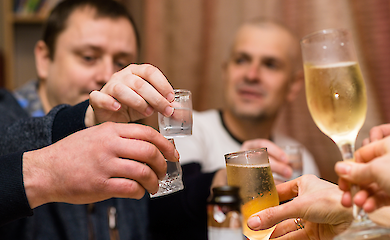
Most people know that smoking is linked to the development of cancer, but the fact that alcohol also increases the risk of cancer is much less talked about.
Meanwhile, numerous studies confirm this correlation.
According to a recent report by the U.S. Surgeon General, alcohol consumption is the third leading preventable cause of cancer in the country, behind only smoking and obesity.
Despite this, not all Americans are aware of this danger. A 2024 report from the American Association for Cancer Research (AACR) found that only half of those surveyed are aware of the link between alcohol consumption and cancer.
It used to be commonly believed that a glass of wine a day was healthy, but today that recommendation is gradually being revised to limit alcohol as much as possible," notes Ashley Hendershot, a specialist in the Genetic Screening and Cancer Prevention Programme at the Wilmot Institute of Oncology at the University of Rochester.
What types of cancers are linked to alcohol consumption?
Six types of cancer are now known to have an increased risk with regular alcohol consumption:
- colorectal cancer (cancer of the colon and rectum),
- breast cancer,
- liver cancer,
- oesophageal cancer,
- stomach cancer,
- some head and neck cancers.
The degree of risk is directly related to the type of tumour and the amount of alcohol consumed.
How much alcohol is considered safe?
Alcohol is a carcinogen, so any amount can increase the risk of cancer. Those who don't drink shouldn't start. If you do drink alcohol, the amount should be limited as much as possible,' explains Hendershot.
Recommended limits for alcohol consumption considered moderate:
- For women: no more than 1 drink per day
- For men: no more than 2 drinks per day
A standard serving is considered to be:
- 350ml of beer (5% alcohol),
- 150 ml of wine (12% alcohol),
- 45ml of spirits (40% alcohol).
How does alcohol increase the risk of cancer?
When alcohol enters the body, it breaks down into acetaldehyde, a substance that can damage DNA. If the body fails to repair the damaged cells, it can lead to the development of a malignant tumour.
In addition, alcohol reduces folic acid levels, which is necessary for DNA cell repair. Also, alcohol increases estrogen levels, which increases the risk of hormone-dependent breast cancers.
After a diagnosis of breast cancer, we are particularly keen to recommend that patients reduce their alcohol intake or stop drinking altogether," emphasises Hendershot.
It is important to remember that alcohol contains "empty calories" that do not benefit the body. It contributes to obesity, another significant risk factor for cancer.
What should you do if you're concerned about the effect of alcohol on cancer risk?
According to the AACR, if you reduce your alcohol intake or give up alcohol, the risk of all cancers decreases by 4 per cent and alcohol-associated cancers by 8 per cent.
However, alcohol is not the only factor that influences the development of cancer. Understanding your own risk, especially if there is a family predisposition, can be difficult. It is in such cases that Hendershot and her colleagues counsell patients, explaining the latest scientific evidence and helping them to make informed choices.
Our main goal is to prevent as many cases of cancer as possible by giving people the knowledge they need to make the right decisions," she says.
Other ways to reduce your cancer risk
The AACR also recommends:
- give up tobacco completely;
- maintain a normal weight, eat a healthy diet and be physically active;
- protect your skin from ultraviolet radiation;
- avoid infections associated with cancer risk;
- minimise contact with harmful environmental substances;
- control the influence of hormonal factors.
By following these recommendations, you can significantly reduce the likelihood of developing malignant neoplasms.
Maria Grynevych, project manager, journalist, co-author of Guidebook Sacred Mountains of the Dnieper Region, Lecture Course: Cult Topography of the Middle Dnieper Region.
Related news

A Chinese tomb discovered 2,300-year-old alcohol in a bronze bottle


Alcohol on social media feeds increases cravings for booze in 18-24 year olds


Popular news
How to cook sweetcorn properly so that it’s juicy and sweet: the best method revealed


Archaeologists have discovered who actually built Colombia’s ancient canals

Russia has received new weapons from North Korea: which regions of Ukraine could be at risk

Scientists have uncovered the ‘true curse of the mummy’—and it turns out it’s not mystical at all
News about war


An expert explains how Russia is changing its tactics for strikes on Kyiv


The UN has reported a sharp rise in the number of Ukrainian civilians killed as a result of the war

