

Ultra-processed foods in the diet are a red flag for the heart
- Home
- Life
- Healthy lifestyle
- Ultra-processed foods in the diet are a red flag for the heart


A high proportion of ultra-processed foods in the diet is associated with a 47% increased risk of cardiovascular disease
US researchers analysing data from the NHANES national survey for 2021-2023 found: adults with the highest proportion of ultra-processed foods (UPF) in their diet had a 47% higher risk of having cardiovascular disease - heart attack or stroke - than those with minimal consumption.
Ultra-processed foods (UPF) are industrially modified foods with added fats, sugars, starches and salt, as well as processing additives like emulsifiers. Sweetened beverages, snack foods, ready meals and processed meats are commonly included in this category. In the U.S., UPFs are estimated to make up a significant portion of the population's diet, making the issue of their health effects particularly relevant.
A team from Florida Atlantic University's Charles E. Schmidt College of Medicine examined the possible link between high consumption of UPFs and cardiovascular disease using data from NHANES, a large national study that collects information on health, nutrition and lifestyle. The analysis included 4,787 adults (18+) from 2021-2023 who had at least one detailed food record and heart attack/stroke history.
Participants recorded everything they ate (two days' worth of food diaries, according to the paper), after which the researchers estimated what proportion of daily calories came from UPF and divided people into groups from low to high intake. The primary outcome was considered to be cardiovascular disease, defined as self-reported heart attack or stroke. A number of factors were considered in the calculations, including age, gender, race/ethnicity, smoking, and income.
The results were notable: the group with the highest proportion of UPF in their diet was found to have a statistically significant and clinically important 47% increase in CVD risk compared to the group with the lowest intake.
The authors emphasise that despite the strong association, more rigorous studies (including large randomised trials) are required, but already now doctors can recommend that patients reduce the proportion of ultra-processed foods along with other proven lifestyle changes and, if necessary, drug therapy.
Elena Rasenko writes about science, healthy living and psychology news, and shares her work-life balance tips and tricks.
Related news

As we get older, our brains change — but our ability to understand speech remains virtually unaffected


Vitamin D and memory: scientists have found that an effect is only observed at doses of 5,000 IU or more

This everyday habit was found to be associated with a 24 per cent reduction in the risk of death

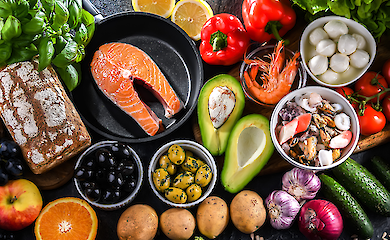
The ancient Mediterranean diet turned out to be quite different from the modern one
Popular news
How to cook sweetcorn properly so that it’s juicy and sweet: the best method revealed

Archaeologists have discovered who actually built Colombia’s ancient canals


Russia has received new weapons from North Korea: which regions of Ukraine could be at risk

Bones of ancient humans found on the seabed of the Taiwan Strait suggest they were up to 190 cm tall

News about war


An expert explains how Russia is changing its tactics for strikes on Kyiv


The UN has reported a sharp rise in the number of Ukrainian civilians killed as a result of the war