

Trump called Putin: first details of the phone call

On Tuesday, 18 March, US President Donald Trump and Russian leader Vladimir Putin had a telephone conversation during which they discussed the situation in Ukraine, including the possibility of a temporary ceasefire.
Dan Scavino, a presidential aide and deputy White House chief of staff, said the talks began at 10:00 CET (16:00 Kiev time) from the Oval Office. According to him, the conversation is going well and is still ongoing.
This telephone discussion took place against the backdrop of earlier talks between US representatives and the Russian and Ukrainian sides, which Trump called "very good and productive." The White House is now seeking Putin's support for a US proposal for a 30-day ceasefire in Ukraine.
The previous day, Trump announced that he planned to raise issues related to "land," "power plants" and asset distribution in his conversation with Putin, which presumably concerns the Russian-occupied Zaporizhzhya nuclear power plant. Western media have also reported various insights regarding possible concessions the US may offer Russia.
Trump expressed hope that the talks would result in joint statements on the issue of a 30-day ceasefire, as the White House believes Russia would support the initiative. Prior to the conversation, the president claimed that "many elements" of a peace deal to end the Russia-Ukraine war have already been agreed upon, though much remains to be sorted out. On his Truth Social media account, he said, "Thousands of young soldiers and others are dying - it must end now."
The US President also warned that Russia's rejection of the 30-day ceasefire would be a "disappointing moment for the world", and added that his administration is ready to impose additional sanctions against Russia if necessary.
We shall remind you that in February, Riyadh hosted talks between the US and Russian delegations on the settlement of the conflict in Ukraine, and in March, US representatives met with the Ukrainian side in Jeddah. The Ukrainian delegation, which offered "silence in the sky and at sea", agreed to a 30-day ceasefire on the condition that Russia also take steps.
The USA resumed the delivery of military aid to Ukraine, intelligence exchanges, and even sent its representative to Moscow to discuss the possibility of establishing a temporary ceasefire regime. Thus, on 13 March, Steve Whitkoff, the US president's special envoy for Middle East affairs, visited Moscow for talks with Putin, the results of which were described by the White House with "cautious optimism."
Putin earlier said that Moscow generally supports the idea of a ceasefire, but with reservations: he demands that Ukraine not mobilise, train soldiers or receive new weapons during this period. Trump called these words "encouraging but incomplete", while President Zelensky characterised them as "another Russian manipulation".
As spokesman Peskov clarified, the time of the conversation is not limited and the leaders will talk as much as they deem necessary. A certain mutual understanding has already been reached on key issues related to the normalisation of bilateral relations and the settlement of the situation in Ukraine.

Journalist and editor of informational and analytical programs.
Related news
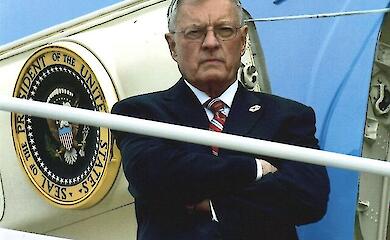
Kellogg named the ceasefire condition today and compared Putin to Nicholas II

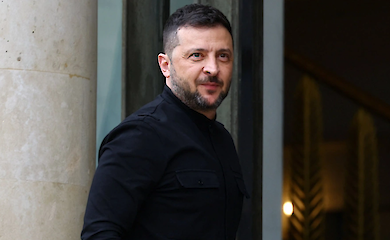
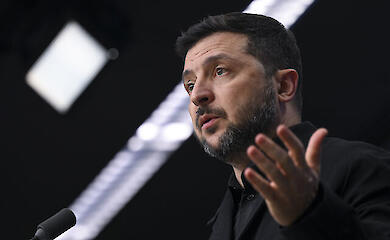
Zelensky spoke about Putin's kisses, politics and expectations
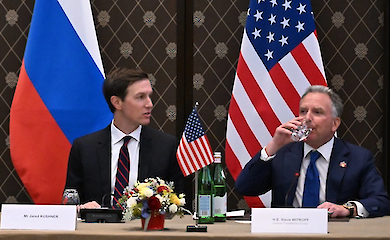
Whitkoff said when a possible meeting between Zelensky and Putin could take place

Popular news
Orban announces "results" of Hungarian mission on Druzhba oil pipeline


Will maternity leave be shortened in Ukraine? Changes for workers with children


Zelensky said that Russia was preparing a new offensive and pointed out the direction of it
Kellogg named the ceasefire condition today and compared Putin to Nicholas II
News about war
Orban announces "results" of Hungarian mission on Druzhba oil pipeline
Kellogg named the ceasefire condition today and compared Putin to Nicholas II
Zelensky said that Russia was preparing a new offensive and pointed out the direction of it
Russia is destroying Ukraine twice as fast as at the start of the war - international report