Scientists: sensitivity to art may be 'in the blood'


Why some people get "goosebumps from music" and others don't
Some people get goosebumps and shivers from music, poetry or a powerful painting, while others feel at most "well, it's beautiful". A new study by scientists from the Max Planck Institute for Psycholinguistics (MPI) shows: it's not just about upbringing and experience - part of the answer may be in the genes.
The team analysed data from a large Dutch project called Lifelines: more than 15,500 participants had both answers about their emotional reactions to art and genetic information. The researchers focused on so-called "aesthetic goosebumps " - brief peaks of pleasure that can be accompanied by "goose bumps" or chills while listening to music, reading poetry or watching visual art.
The main finding: about 30 per cent of the variation in how often people experience these goosebumps is due to family factors. About a quarter of this "family share" is explained by common genetic variants (i.e., those that occur frequently in the population).
The scientists also noticed two important things:
some of the genetic influences are common to music, poetry and visual art - and are related to broader traits, such as openness to new experiences and general engagement with the arts;
but there are also effects that are not the same between art forms, i.e. 'goosebumps from music' and 'goosebumps from poetry' may partly rely on different biological mechanisms.
The authors emphasise: genetics doesn't "solve everything" - the environment (what a person has listened to, read, where they grew up, what is accepted in the environment) also influences the reaction. But the results provide another way to understand why people may feel differently about the same world.
Maria Grynevych, project manager, journalist, co-author of Guidebook Sacred Mountains of the Dnieper Region, Lecture Course: Cult Topography of the Middle Dnieper Region.
Related news

Scientists have explored the glacier on the summit of Mount Ararat for the first time

A parasite turned worker ants into ‘queens’ and extended their lives
Popular news
Ukrainian security services have been recognised as among the best intelligence services in Europe – L'Express

Irina Levchenko, the abducted Ukrainian journalist, has been transferred to the Donetsk remand centre: what is known

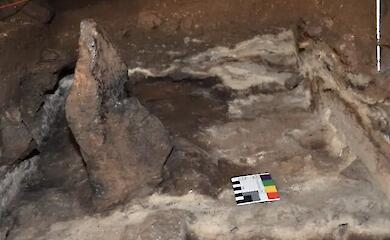
Evidence has been found in Australia of an unusual ritual that has been practised for thousands of generations

News about war

The UN has reported a sharp rise in the number of Ukrainian civilians killed as a result of the war


3 July has been declared a day of mourning in Kyiv. The number of dead and injured is rising