


Scientists refute the myth of "ecocide" on Easter Island: drought is to blame


The story of Easter Island (Rapa Nui) has long been considered a tragic example of "ecological suicide" - allegedly its inhabitants cut down all the trees, leading to the collapse of society.
However, a new study by scientists from Columbia University and Lamont-Dogerty Laboratory changes this picture. Analyses of ancient sediments have shown that life on the island has changed radically not because of human actions, but because of a century-long drought that began around 1550, Columbia Climate School reports.
The scientists took sediment samples from two freshwater sources - the Rano Aroi Marsh and the Rano Kau Crater Lake. Analyses of plant leaf wax preserved in the sediment allowed them to reconstruct the sediment's history over the past 800 years. The hydrogen isotope composition of the wax reflects the moisture levels and rainfall under which the plants grew.
The results showed that since about the mid-16th century, rainfall on the island has decreased by 600-800 mm per year and remained low for more than a hundred years. This period coincides with major cultural changes: the decline in the construction of ahu cult platforms, the emergence of new ritual centres such as Rano Kau Lake, and the formation of the Tangata Manu social system, where power was won through competition rather than descent.
The study's lead author Redmond Stein notes:
"Our data show that the people of Rapa Nui faced severe climatic stress, but showed resilience and managed to adapt. This is not a story of self-destruction, but a story of survival."
The so-called "ecocide" theory claimed that the ancient islanders destroyed the island's ecosystem through the immoderate use of resources, which allegedly led to population decline and conflict even before the arrival of Europeans. However, modern archaeological and demographic evidence shows no signs of catastrophic collapse.
A new study suggests that climatic factors may have played a key role. The drought likely affected access to drinking water, plant growth and agricultural structure. Nevertheless, the islanders found ways to adapt - changing power systems, rituals and survival techniques.
"The story of Rapa Nui is not a lesson in the mindless destruction of nature, but an example of human flexibility in the face of the elements," Stein emphasises.
The scientists plan to continue their work by analysing older sediments - up to 50,000 years ago. This will help to understand how the atmosphere of the Southeast Pacific changed and what natural factors influenced the climate of the region.
Rapa Nui, located more than 3,000 kilometres from Chile, remains a unique natural archive that helps scientists explore the links between climate and culture in isolated ecosystems.
An independent researcher, interested in archaeology and sacred geography. He researches them and writes about them.
Related news
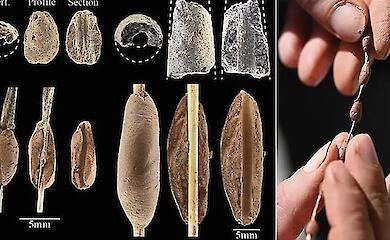
Archaeologists have found children's fingerprints in 15,000-year-old clay

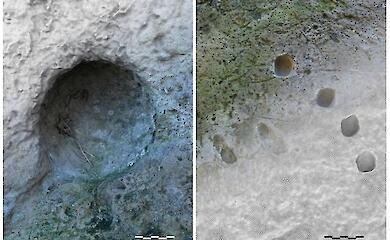
Traces of an "ancient machine gun" have been found in Pompeii

What happens to a cigarette butt after 10 years - scientists' answer

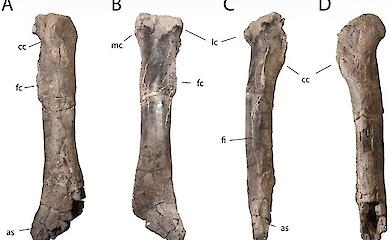
Scientists have found a huge bone from a possible ancestor of T. rex
Popular news

Orban announces "results" of Hungarian mission on Druzhba oil pipeline

Will maternity leave be shortened in Ukraine? Changes for workers with children


Zelensky said that Russia was preparing a new offensive and pointed out the direction of it


Kellogg named the ceasefire condition today and compared Putin to Nicholas II

News about war
Orban announces "results" of Hungarian mission on Druzhba oil pipeline
Kellogg named the ceasefire condition today and compared Putin to Nicholas II
Zelensky said that Russia was preparing a new offensive and pointed out the direction of it

Russia is destroying Ukraine twice as fast as at the start of the war - international report