

Scientists have discovered what the first farmers of 5,000 years ago ate


Scientists from Kiel University have unravelled the nutritional secrets of the first agriculturalists who lived around 5,000 years ago.
They examined ancient stone millstones found at the Neolithic settlement of Oldenburg LA 77 in northern Germany and found that the diet of these people was much more varied than previously thought. The work was published in the Journal of Archaeological Science: Reports.
Source: Jingping An et al, Journal of Archaeological Science: Reports (2024). DOI: 10.1016/j.jasrep.2024.104913
Who were the "first farmers"?
The Ravenclaw culture (4000-2800 BC) were the first inhabitants of southern Scandinavia and northern Germany to engage in farming and herding. They built houses in villages rather than living alone on farms. Oldenburg LA 77 was located on an island in a marshy area near the Baltic Sea and is one of the best studied Neolithic settlements.
What did the archaeologists find?
During excavations they found many everyday objects - tools made of flint, pottery shards and stone millstones. Scientists took samples from the surface of the millstones, which preserved microscopic plant remains: starchy grains, phytoliths (small plant particles), charred remains and much more.
What do the results of the analysis show?
Microfossils found not only wheat and barley grains, but also wild grass seeds, acorn fruits, acorns, tubers and possibly beans. This means that in addition to growing cereals, the first farmers actively collected and consumed wild plants. This diet allowed them to diversify their food and obtain additional vitamins and minerals.
This data helps to better understand the lifestyle and culinary preferences of the first farmers, their ability to adapt to nature and use available resources. The study also reveals how approaches to cooking differed in different regions of Northern Europe.
How was food prepared?
The analysis shows that the people of Oldenburg LA 77 were able to grind grain to make flour and then bake flatbread, a thin bread, on special "baking plates". This approach differs from cooking methods found at another Neolithic site, Frydenlund in Denmark, where the inhabitants appear to have cooked porridge from cereals.
The study confirms that early farmers had a wide range of dietary choices, using both cultivated and wild plants. Food preparation ranged from flatbreads to porridge.
An independent researcher, interested in archaeology and sacred geography. He researches them and writes about them.
Related news

A discovery in Spain has brought us closer to unravelling the mystery of human origins


Scientists have explored the glacier on the summit of Mount Ararat for the first time

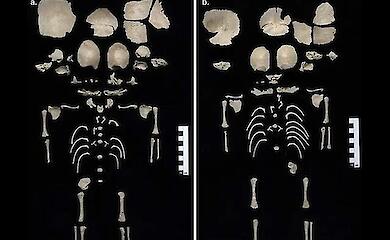
Two babies were found carefully buried in an abandoned Roman latrine
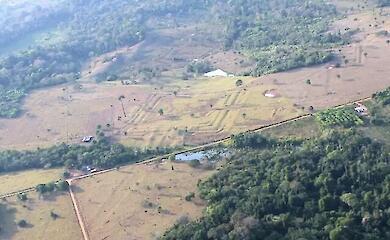
Traces of a vast ancient civilisation have been found beneath the Amazon rainforest
Popular news

Ukrainian security services have been recognised as among the best intelligence services in Europe – L'Express



Irina Levchenko, the abducted Ukrainian journalist, has been transferred to the Donetsk remand centre: what is known

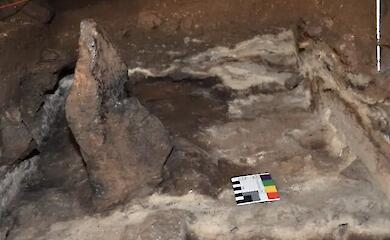
Evidence has been found in Australia of an unusual ritual that has been practised for thousands of generations
News about war

The UN has reported a sharp rise in the number of Ukrainian civilians killed as a result of the war


3 July has been declared a day of mourning in Kyiv. The number of dead and injured is rising