


Scientists find out why immunotherapy doesn't help all cancer patients


Immunotherapy is considered one of the most promising areas of cancer treatment, but it does not help all patients.
Scientists from the University of Montreal and the Montreal Clinical Research Institute (IRCM) have found that the cause lies in much more complex mechanisms of the immune system than previously thought. The results are published in the journal Science Immunology.
The human immune system has built-in "brakes" - so-called inhibitory checkpoints (immune checkpoints) that prevent it from attacking its own healthy cells. However, cancer cells have learnt to use these mechanisms to their advantage by sending signals that block the activity of immune cells.
Current immunotherapy drugs, such as checkpoint inhibitors, aim to remove these 'brakes' so that the immune system can recognise and destroy the tumour. But as the new work shows, this approach doesn't always work because the inhibitory mechanisms are more complex and diverse than expected.
The researchers focused on two key molecules - SIRPα, which is found on the surface of immune cells (macrophages), and CD47, which is present on many cells in the body, including tumour cells. Their interaction generates a "don't touch me" signal that prevents macrophages from engulfing and destroying cancer cells.
The scientists blocked the interaction between SIRPα and CD47, and the inhibitory signal did indeed weaken - by about half. But the rest of the signal didn't disappear even when CD47 was completely deactivated. This means that SIRPα can suppress the immune response in other ways besides interacting with CD47.
According to the study's lead author Zhenghai Tang, who previously worked in the lab of Professor André Veyette at IRCM, this explains why existing drugs that block CD47 alone show limited efficacy.
"To make immunotherapy truly effective, we need to understand all the pathways by which SIRPα suppresses immunity," says Tan. - "Only then can we create drugs that can completely 'switch off' this cancer defence mechanism."
The scientists note that their discovery demonstrates how complex the human immune system is. To create more accurate and safer treatments, it is important to understand the molecular interactions within cells, and to better adapt laboratory findings to real-world clinical practice.
"These findings open the way to new, more personalised approaches in oncology that will be able to help more patients," Professor Vejette emphasises.
The Montreal researchers' discovery does not invalidate the effectiveness of immunotherapy, but it does show that fighting cancer requires a better understanding of the inner workings of immune control - and it is this knowledge that will help create the next generation of drugs.
Maria Grynevych, project manager, journalist, co-author of Guidebook Sacred Mountains of the Dnieper Region, Lecture Course: Cult Topography of the Middle Dnieper Region.
Related news


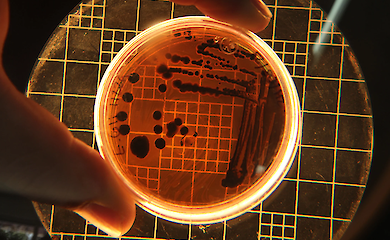
These microbes survive boiling water and acid - and could help save the Earth

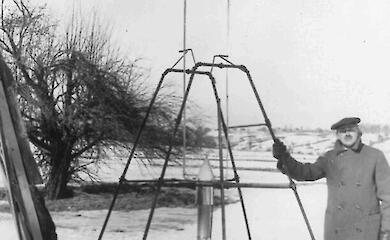
100 years ago, the first rocket was launched - this was the beginning of the space age

Popular news
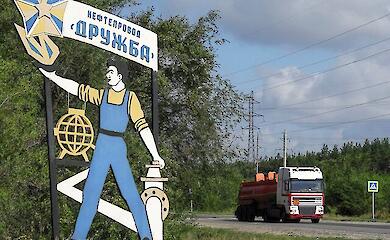
Orban announces "results" of Hungarian mission on Druzhba oil pipeline

Will maternity leave be shortened in Ukraine? Changes for workers with children


Zelensky said that Russia was preparing a new offensive and pointed out the direction of it


Kellogg named the ceasefire condition today and compared Putin to Nicholas II

News about war
Orban announces "results" of Hungarian mission on Druzhba oil pipeline
Kellogg named the ceasefire condition today and compared Putin to Nicholas II
Zelensky said that Russia was preparing a new offensive and pointed out the direction of it
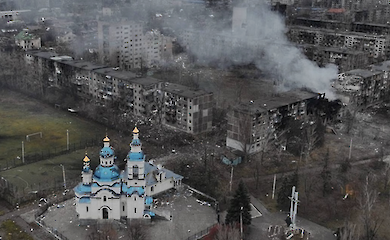
Russia is destroying Ukraine twice as fast as at the start of the war - international report