
Scans of Inca mummies reveal how children were actually sacrificed


Inca child mummies 'told' about their deaths thanks to CT scans
Archaeologists have CT scanned four Inca child mummies found in the 1990s high in the Andes Mountains at the Ampato and Sara Sara volcanoes in Peru. The study is published in the Journal of Archaeological Science: Reports and helps to better understand the ritual of kapakocha, a child sacrifice that the Incas performed to "propitiate" the gods and strengthen the power of the empire.
What is capacocha
According to historical descriptions, the Incas sacrificed children and adolescents during important events (such as major ceremonies) or after disasters. Mountain peaks were considered sacred, so the bodies were left in high altitude sanctuaries.
What the new CT scans revealed
Scientists studied four girls (sex was determined from scans, DNA and items from burials). The CT scans yielded details not seen on conventional examination: injuries, illnesses, and signs of how the bodies were preserved in cold conditions.
Key findings from each case:
Ampato #1 ("Dame Ampato") is the best preserved. The scans show severe damage to the skull and other body parts, indicating a violent death, probably from a severe blow.
Ampato #2 - in addition to the head injury, there are signs of severe illness: for example, a severely dilated oesophagus. There are also signs of damage, probably related to lightning after burial.
Ampato #4 is the most unusual: some of the bones were missing, and the voids inside the "curdle" were filled with tissue. Researchers interpret this as a deliberate "reconstruction" of the body, i.e. it was handled after death.
Sara Sara - CT scans revealed head trauma and calcification of some internal organs (traces of tissue changes over time).
The authors believe that such findings show that capacocha victims were not just "gifts to the gods" for the Incas. Their bodies could remain ritually significant even after death - they could be opened, changed and "reassembled" to preserve the image of the person.
An independent researcher, interested in archaeology and sacred geography. He researches them and writes about them.
Related news

Neanderthal bone tools have been discovered in Romania for the first time

Almost 500 blue artefacts have linked Iron Age Iran with ancient Egypt
A Chinese inscription has debunked the legend surrounding the Boston Tea Party relic
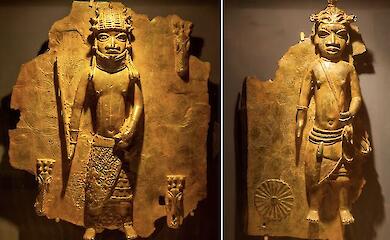
How new technologies have debunked old myths about African history
Popular news
Ukrainian security services have been recognised as among the best intelligence services in Europe – L'Express

Irina Levchenko, the abducted Ukrainian journalist, has been transferred to the Donetsk remand centre: what is known

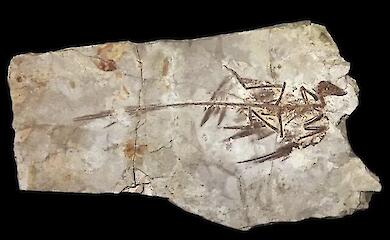
Scientists have put forward an explanation as to why there were no tiny dinosaurs


How to cook sweetcorn properly so that it’s juicy and sweet: the best method revealed
News about war

The UN has reported a sharp rise in the number of Ukrainian civilians killed as a result of the war

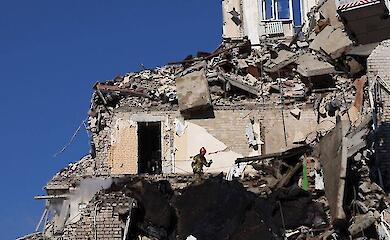
3 July has been declared a day of mourning in Kyiv. The number of dead and injured is rising