


Salt and reagents on the streets: how to protect your dog's paws in winter


How to protect your dog on a walk in winter: tips from the vet
Walking with your dog in winter can be not only pleasant but also dangerous: the animal can get hypothermic and suffer from road chemicals and salt sprinkled on pavements. Royal Canin expert, candidate of veterinary sciences Alexander Aishpur explained how to make winter outings safer.
Excessive cold: what to look out for
Frost is especially dangerous when staying outdoors for long periods of time. The vet emphasises that dogs should not be left in the car in winter - the car cools down quickly and can become a "fridge", which increases the risk of hypothermia and even serious consequences.
During the walk, keep an eye on your pet's condition. Alarming signs:
the dog refuses to walk;
clenches its legs to its body;
trembles;
becomes overly sleepy, yawns a lot.
If at least one symptom appears, the dog should be immediately taken to a warm place and helped to warm up.
Reagents on the streets: why they are harmful
In winter, roads and pavements are sprinkled with chemical mixtures and dogs are at risk: contact with chemicals can cause cracks, redness and sores on the pads of their paws. If a dog licks his paws after a walk, even poisoning is possible.
Before going outdoors, it is recommended to:
inspect paws for cracks;
apply a protective wax or cream (preferably chosen with a vet);
trim the hair between the pads so that salt does not accumulate there.
The most reliable option - special shoes for dogs, it completely covers the paws from reagents. But shoes should be taught gradually: first put them on at home and let the dog get used to them.
On the street, make sure your pet does not lick the ground and paws, choose areas where there is less chemistry. If he whines, check his paws. It's helpful to take wet wipes or a bottle of water with you to quickly clean paws.
After each walk, the vet advises:
rinse paws and belly with warm water;
inspect the pads for cracks and wounds.
If there is a wound, it can be washed with chlorhexidine, but alcohol-based products should not be used. If wounds do not heal or the dog's condition worsens, a vet should be consulted.
Safe winter play
In winter, it is important to follow general rules:
do not play near bodies of water, even if they are covered with ice;
reduce walking time in extreme cold;
do not let your dog off the lead.
It is noted that the cold can temporarily impair the sense of smell, making it harder for the dog to navigate. If you let your pet go, he should remain in sight.
Winter skin care
Frost and dry air can dry out the skin, so moisturising shampoos may be necessary in winter. It's best to work with your vet or groomer to choose the cosmetics and frequency of bathing.
In the end, the advice is simple: watch out for signs of hypothermia, protect your dog's paws from chemicals, and take good care of his skin to help him get through winter easier and safer.
Maria Grynevych, project manager, journalist, co-author of Guidebook Sacred Mountains of the Dnieper Region, Lecture Course: Cult Topography of the Middle Dnieper Region.
Related news
More than 50,000 seals killed by bird flu - scientists sound the alarm

Popular news
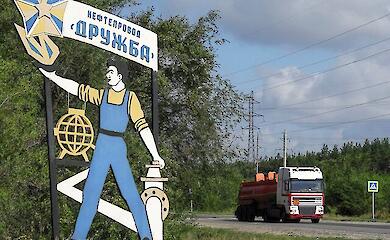
Orban announces "results" of Hungarian mission on Druzhba oil pipeline


Will maternity leave be shortened in Ukraine? Changes for workers with children


Zelensky said that Russia was preparing a new offensive and pointed out the direction of it


Kellogg named the ceasefire condition today and compared Putin to Nicholas II

News about war
Orban announces "results" of Hungarian mission on Druzhba oil pipeline
Kellogg named the ceasefire condition today and compared Putin to Nicholas II
Zelensky said that Russia was preparing a new offensive and pointed out the direction of it

Russia is destroying Ukraine twice as fast as at the start of the war - international report