


Relationships with parents in childhood determine well-being in adulthood - results of global study
- Home
- Life
- Healthy lifestyle
- Relationships with parents in childhood determine well-being in adulthood - results of global study


Scientists have revealed why child-parent relationships are important.
The quality of parent-child relationships can have a lasting impact on a person's psychological well-being, new data shows. The study, conducted by Gallup researchers with experts in developmental and family psychology, involved more than 200,000 adult respondents from 21 countries. Its results were published in the journal Communications Psychology.
It has previously been known that early childhood experiences and the quality of interactions with parents are linked to emotional well-being in adulthood. However, most previous studies have been limited to samples from a single country or small numbers of participants. The new work combined data collected by telephone, online and face-to-face surveys to assess the universality of this effect.
Methods and key factors
Participants were asked about the extent to which they felt loved by their mother and father, the extent to which the overall relationship was 'very good', 'good', 'bad' or 'very bad', and whether they felt like an 'outsider' in the family. An index of child-parent relationship quality was generated from these responses.
To assess well-being in adulthood, respondents answered questions about their level of hope, health satisfaction, and degree of gratitude. Mental health indicators, including frequency of episodes of sadness, anxiety, and other symptoms, were also examined.
The results showed that the quality of relationships with parents during childhood emerged as a significant predictor of adult well-being. This effect was stronger than factors such as family socioeconomic status in childhood, current income, educational attainment or gender. And the association was found in all 21 countries, covering different geographical regions, religious traditions and income levels.
Interestingly, in countries with higher income and more secular societies, the impact of child-parent relationships on well-being was particularly pronounced. In addition, families with more religious parents often had stronger relationships with their children.
The authors plan to extend their research to understand the mechanisms by which these relationships form, their impact on character development, and possible genetic and cultural factors.
Details: Jonathan T. Rothwell et al, Parent-child relationship quality predicts higher subjective well-being in adulthood across a diverse group of countries, Communications Psychology (2024). DOI: 10.1038/s44271-024-00161-x.
Elena Rasenko writes about science, healthy living and psychology news, and shares her work-life balance tips and tricks.
Related news
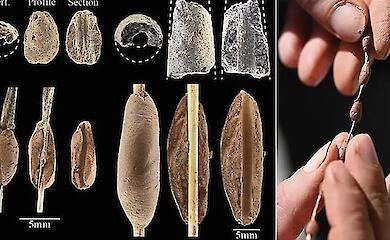
Archaeologists have found children's fingerprints in 15,000-year-old clay


'If you have kidney stones, you need to drink more water'. Scientists have tested a well-known myth




Popular news

Orban announces "results" of Hungarian mission on Druzhba oil pipeline


Will maternity leave be shortened in Ukraine? Changes for workers with children


Zelensky said that Russia was preparing a new offensive and pointed out the direction of it

Kellogg named the ceasefire condition today and compared Putin to Nicholas II

News about war
Orban announces "results" of Hungarian mission on Druzhba oil pipeline
Kellogg named the ceasefire condition today and compared Putin to Nicholas II
Zelensky said that Russia was preparing a new offensive and pointed out the direction of it

Russia is destroying Ukraine twice as fast as at the start of the war - international report