Physical activity 'trains' the immune system, scientists have found


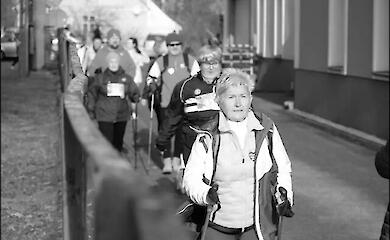
Regular physical activity not only strengthens your muscles, heart and lungs, but also has a noticeable effect on your immune system.
An international team of scientists came to this conclusion after studying natural killer cells - cells of the immune system - in elderly people who regularly engaged in endurance sports.
The study, published in the journal Scientific Reports, showed that in older athletes, natural killer (NK) cells were more active, less prone to inflammation and had better metabolic characteristics. This means that physical activity seems to "train" the immune system, making it more resilient to stress and inflammation.
"We already know that obesity and sedentary lifestyles contribute to premature aging of immune cells. So we decided to study the opposite scenario - how older people who have been exercising for more than 20 years manage inflammation. The results were impressive," says Luciele Minuzzi, a researcher at Justus Liebich University in Germany.
The study involved nine people aged around 64, divided into two groups: exercising and non-exercising. The former had significantly lower levels of inflammatory markers and more signs of anti-inflammatory activity.
The scientists also tested the cells' response to the pharmacological blockers propranolol and rapamycin, which affect the adrenergic and mTOR signalling circuits respectively. Even when these pathways were blocked, NK cells in trained older adults remained functional, while cellular fatigue was observed in untrained individuals.
"This indicates metabolic adaptation of the cells, their greater maturity and resistance to external stressors. Long-term exercise provides not only physical but also immune endurance," Minuzzi notes.
An additional study published in Frontiers in Immunology compared the immune response of young athletes and masters athletes after acute exercise. It turned out that athletes with years of training experience had a more restrained inflammatory response than young athletes, despite the same physical activity. This suggests that the body adapts and regulates the immune response more precisely.
"The body of an experienced athlete already 'knows' how to respond to inflammation and does not over-regulate the response. This is especially important for the elderly, because excessive inflammation is linked to many chronic diseases," emphasises Minuzzi.
Thus, long-term endurance exercise - running, swimming, cycling - is not only good for physical fitness, but also plays an important role in building a balanced and resilient immune system.
Maria Grynevych, project manager, journalist, co-author of Guidebook Sacred Mountains of the Dnieper Region, Lecture Course: Cult Topography of the Middle Dnieper Region.
Related news

Scientists have identified psychological traits associated with healthy ageing


The smell of dark chocolate helped the men do more reps in the gym

Popular news

Ukrainian security services have been recognised as among the best intelligence services in Europe – L'Express


Irina Levchenko, the abducted Ukrainian journalist, has been transferred to the Donetsk remand centre: what is known

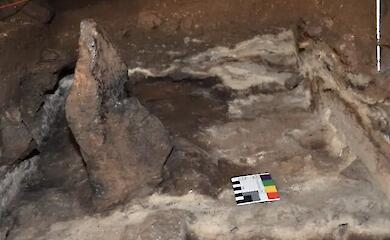
Evidence has been found in Australia of an unusual ritual that has been practised for thousands of generations

News about war
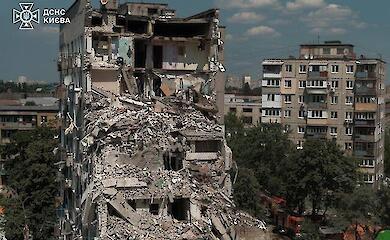
The UN has reported a sharp rise in the number of Ukrainian civilians killed as a result of the war
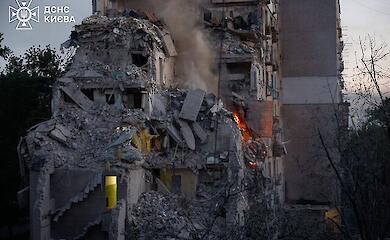
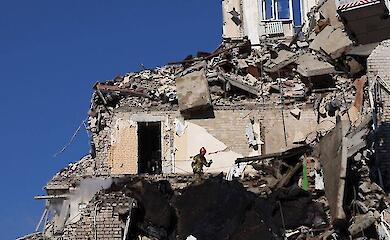
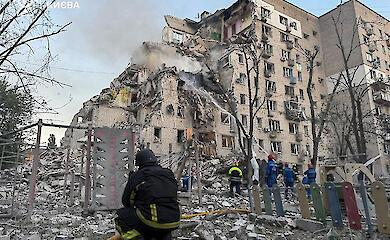
3 July has been declared a day of mourning in Kyiv. The number of dead and injured is rising