


One of the oldest reservoirs in Rome has been found - it is more than 2200 years old


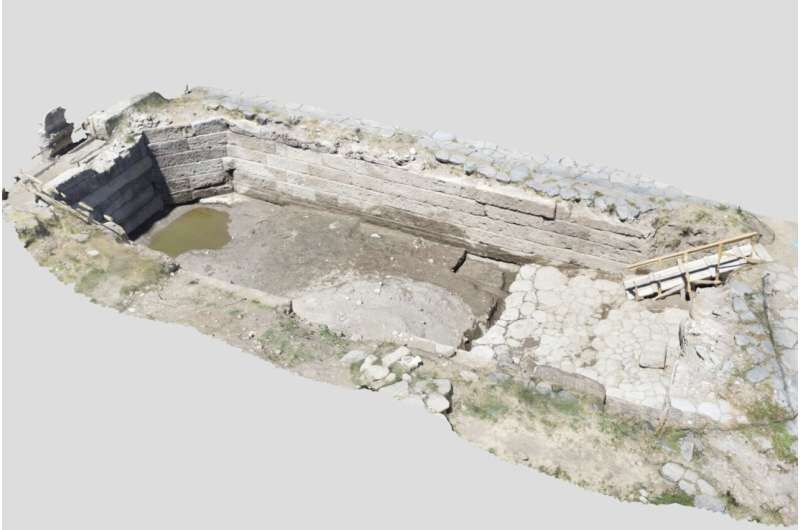
Eleven miles east of Rome, on the territory of the ancient city of Gabia, archaeologists have discovered an unusual architectural object - a massive stone tank, partially carved directly into the rock.
The discovery was made by a team of archaeologists led by Professor Marcello Modgetta from the University of Missouri (USA).
According to preliminary estimates, the construction was created around 250 BC, and some of its elements may be even older. The scientists suggest that this is one of the oldest structures of monumental architecture in Rome, not related to temples or defence walls.
"We got a unique chance to see how the early Romans experimented with urban planning," says Modgetta. - This tank is located in the very centre of the city, near the main intersections of the streets. It may have been part of a forum, a public space where ancient Roman society was buzzing."
This discovery complements previous findings by researchers at Gabia, including the so-called 'Zone F Building', a terraced complex built into the slope of an ancient volcanic crater. These findings confirm the influence of Greek architecture on Roman architecture - the use of terraces, stone plazas and imposing public spaces reflecting not only functionality but also political significance.
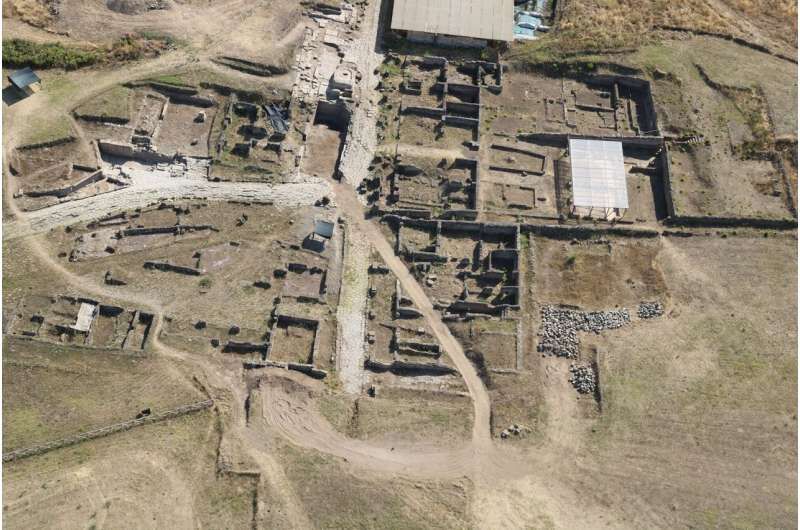

The Gabii is a special monument in the history of Rome. When Rome itself was being built up with new buildings, hiding the ancient layers, the Gabii were almost completely abandoned by 50 BC. This allowed the ancient layout of the city and the foundations of the buildings to be preserved in excellent condition.
The Italian Ministry of Culture has given Gabia the status of an archaeological park. An international team is working here as part of the Gabii Project, which has been headed by Professor Modgetta since last year.
Next summer, archaeologists will continue excavations in the area of the tank, including investigating the surrounding paved area and a mysterious "anomaly" revealed by thermal imaging scans. Scientists speculate that it could be a temple or other monumental structure.
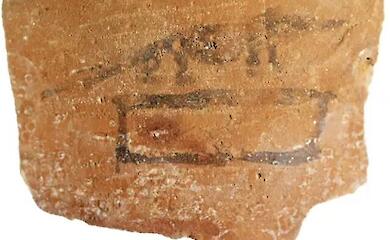
"If there was a temple nearby, that would explain some of the artefacts found inside the tank," says Modgetta. - There were vessels, lamps, perfume bottles and bowls with unusual marks. Perhaps these items were used as ritual gifts and were left behind when the reservoir was symbolically closed around 50 AD."
An independent researcher, interested in archaeology and sacred geography. He researches them and writes about them.
Related news
Archaeologists have found children's fingerprints in 15,000-year-old clay

Traces of an "ancient machine gun" have been found in Pompeii

Scientists have found a huge bone from a possible ancestor of T. rex
Popular news

Orban announces "results" of Hungarian mission on Druzhba oil pipeline


Will maternity leave be shortened in Ukraine? Changes for workers with children


Zelensky said that Russia was preparing a new offensive and pointed out the direction of it


Kellogg named the ceasefire condition today and compared Putin to Nicholas II

News about war
Orban announces "results" of Hungarian mission on Druzhba oil pipeline
Kellogg named the ceasefire condition today and compared Putin to Nicholas II
Zelensky said that Russia was preparing a new offensive and pointed out the direction of it

Russia is destroying Ukraine twice as fast as at the start of the war - international report