

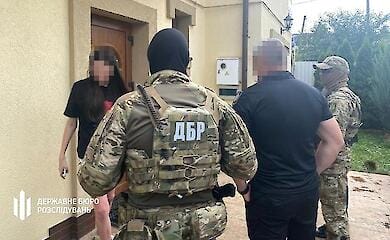
Occupiers in Berdyansk demand from parents to denounce children with pro-Ukrainian stance
- Home
- Occupation
- Occupiers in Berdyansk demand from parents to denounce children with pro-Ukrainian stance


The occupation authorities in Berdyansk, which has been seized by Russian troops, have launched an aggressive campaign to identify young people who support pro-Ukrainian views.
Under the pretext of "fighting extremism", they urge parents to report "suspicious behaviour" of their children to local authorities such as the Ministry of Internal Affairs and the Federal Security Service of the Russian Federation.
In their appeals, the occupiers provide a list of "warning signs" that parents should report their children.
Such signs include:
- "Change of habitual lifestyle";
- "Visiting extremist websites";
- "Appearance of suspicious acquaintances."
- "Dividing people into right and wrong."
In essence, any manifestation of patriotism or support for Ukraine can be seen as a violation, opening the way for repression and pressure on the local population. This practice violates human rights and is part of the ongoing terror against pro-Ukrainian citizens.
In addition, it was previously reported that the occupation authorities have started to use psychiatric institutions as a tool of repression. Underage children suspected of supporting Ukraine can be forcibly placed in such institutions, which pass off as "treatment" all forms of pressure on young people deemed to be a "threat" to the occupation regime.
The UkrainianArmed Forces remind that the occupation of parts of the Zaporizhzhya region is a temporary phenomenon and Ukraine will definitely return to these territories, including Berdyansk.
Journalist and volunteer with extensive experience.
Related news

Archaeologists have found children's fingerprints in 15,000-year-old clay


Scientists have discovered how a father's health affects his child before conception

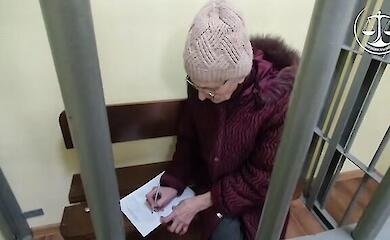
In the temporarily occupied territory of Zaporizhzhya region, a 68-year-old woman was sentenced to 11 years for donating to the AFU


100,000 net outings in the autumn: what happened after the borders opened up for 18-22 year old men

Popular news
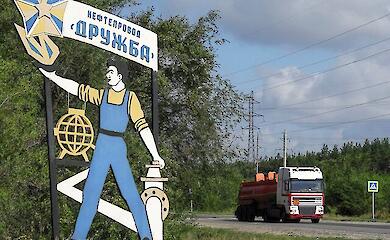
Orban announces "results" of Hungarian mission on Druzhba oil pipeline

Will maternity leave be shortened in Ukraine? Changes for workers with children


Zelensky said that Russia was preparing a new offensive and pointed out the direction of it

Kellogg named the ceasefire condition today and compared Putin to Nicholas II

News about war
Orban announces "results" of Hungarian mission on Druzhba oil pipeline
Kellogg named the ceasefire condition today and compared Putin to Nicholas II
Zelensky said that Russia was preparing a new offensive and pointed out the direction of it
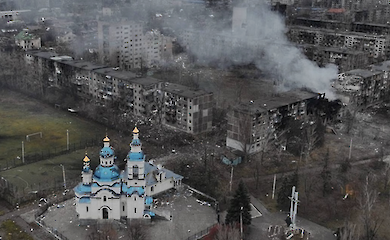
Russia is destroying Ukraine twice as fast as at the start of the war - international report