


Meat is not the enemy: it's the eating style, not the product, that decides everything


Even with beef: the Mediterranean diet reduces dangerous metabolites linked to heart disease.
The Mediterranean diet, even with moderate consumption of lean beef, may reduce levels of substances associated with increased risk of cardiovascular disease. This is the conclusion reached by researchers at the University of Pennsylvania and other scientific institutions in the United States. The results of their work are published in the Journal of the American Heart Association.
The study evaluated the effect of different amounts of lean beef in the diet on the production of trimethylamine N-oxide (TMAO) - a compound that is formed in the intestine during the breakdown of animal protein and is associated with vascular inflammation, plaque formation and increased risk of strokes and heart attacks.
How the study was conducted
The scientists conducted a randomised, cross-over study involving 30 healthy adults. The participants followed four different diets, each lasting four weeks with a one-week break in between. The experiment compared:
Three versions of the Mediterranean diet with different levels of lean beef (14g, 71g and 156g per 2000 kcal);
A regular American diet with the same amount of beef (71 g per 2,000 kcal).
To assess the effects, the researchers collected blood, urine and faecal samples, measured levels of TMAO and other metabolites, and analysed the composition of the gut microbiota.
What the results showed
TMAO levels in plasma and urine were significantly lower (1.76 to 2.15 times lower) in participants who followed the Mediterranean diet than in those who followed the American diet - with the same amount of beef consumption.
Thediversity of gut microflora was also found to be higher in those who followed the Mediterranean diet.
Increasing the amount of lean beef within the Mediterranean plan (to 156 g) did not increase TMAO, suggesting a key role for the overall dietary pattern rather than a specific product.
Interestingly, the Mediterranean diet contained less salt, more unsaturated fat, fibre and omega-3 acids compared to the American diet. The latter, on the other hand, was rich in carbohydrates and saturated fat.
The authors emphasise: it is not the beef itself - even lean beef - that is the problem, but the context in which it is consumed. The most important role is played by the overall eating style. A Mediterranean diet rich in vegetables, nuts, fish and vegetable oils can neutralise even the potentially harmful effects of red meat.
The study was funded by the US National Beef Producers Association, which, according to the authors, did not affect objectivity as the study was conducted blindly and followed scientific standards.
Nevertheless, the experts emphasise that the results relate to short-term biomarkers, not clinical outcomes. Further study of the effect on high-risk groups, such as people with diabetes or obesity, is also needed.
Maria Grynevych, project manager, journalist, co-author of Guidebook Sacred Mountains of the Dnieper Region, Lecture Course: Cult Topography of the Middle Dnieper Region.
Related news

People were divided into three types based on their reaction to sour food


TikTok is increasingly influencing what young people eat - study
Popular news
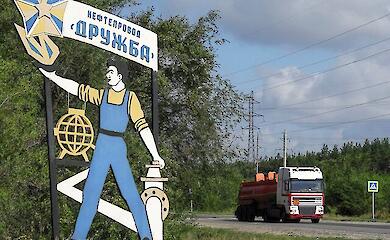
Orban announces "results" of Hungarian mission on Druzhba oil pipeline


Will maternity leave be shortened in Ukraine? Changes for workers with children


Zelensky said that Russia was preparing a new offensive and pointed out the direction of it


Kellogg named the ceasefire condition today and compared Putin to Nicholas II

News about war
Orban announces "results" of Hungarian mission on Druzhba oil pipeline
Kellogg named the ceasefire condition today and compared Putin to Nicholas II
Zelensky said that Russia was preparing a new offensive and pointed out the direction of it

Russia is destroying Ukraine twice as fast as at the start of the war - international report