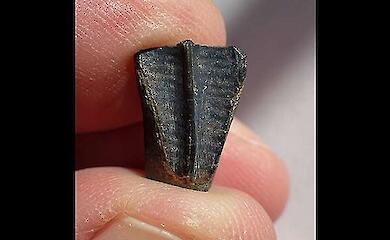
Lyme disease: symptoms, treatment and how to protect yourself from ticks


Lyme disease is the most common infection transmitted through tick bites.
It is estimated that more than 100,000 cases of Lyme disease are reported in the EU each year, but official statistics from the European Agency for Disease Prevention and Control(ECDC) may be lower than the actual figures due to a lack of awareness and diagnosis in some countries.
Despite growing awareness, the disease is still often missed or diagnosed too late, which can lead to severe consequences.
What is Lyme disease?
The causative agent of the infection is the bacterium Borrelia burgdorferi, which is carried by infected ticks. Ticks are most active during the warm season, especially in areas of tall grass and woodlands.
Transmission occurs through the tick's saliva during a bite. Moreover, infection is possible even if the bite is short-term - less than 24 hours. Therefore, prompt removal of the tick significantly reduces the risk of infection.
Symptoms: from rash to neurology
Signs of the disease can appear a few days, weeks or months after the bite. The main stages are:
Early stage: rash (including the classic "target"), fever, weakness, headache, muscle and joint pain.
Disseminated form: multiple rashes, facial nerve palsy, headaches, limb numbness, cardiac abnormalities.
Late stage: joint pain and swelling, memory, hearing and vision problems, behavioural disorders.
In 10-20% of patients, symptoms persist even after a course of antibiotics - this is post-Lyme syndrome, including chronic fatigue, 'head fog' and body aches.
Why is Lyme disease difficult to recognise?
Symptoms can mimic other illnesses - flu, chronic fatigue syndrome, autoimmune disorders. Standard tests do not detect the infection itself, but antibodies that do not appear immediately, making early diagnosis difficult.
In addition, laboratory tests are often ineffective in late forms of the disease. Therefore, doctors are guided not only by analyses, but also by symptoms and facts of possible contact with ticks.
How to protect yourself from Lyme disease?
The main thing is the prevention of tick bites.
Here are basic recommendations:
Use repellents with DEET, picaridin or IR3535.
Treat clothing and gear with permethrin.
Wear closed clothing and shoes, tuck pant legs into socks.
Avoid tall grass and fallen leaves.
Inspect your body, clothing and pets after a walk.
If a tick is found, remove it with tweezers as soon as possible.
You can have the tick tested to see if it has been infected.
Treatment of Lyme disease
In the early stages, the disease is treated with antibiotics such as doxycycline, amoxicillin or cefuroxime. The course usually lasts 10-14 days. However, in some cases, especially with neurological or cardiac manifestations, intravenous treatment may be required.
Patients with severe and persistent symptoms require longer courses or individualised therapy.
The future: new research and vaccines
Scientists around the world are working to:
creating more accurate tests for early and late diagnosis;
developing vaccines and new prevention methods;
investigating the causes of post-Lyme syndrome, including autoimmune reactions and the presence of unresolved bacteria.
Lyme disease is a serious but preventable infection. Early diagnosis and timely treatment can avoid complications.
If you have been spending time outdoors and notice suspicious symptoms, seek medical attention.
Elena Rasenko writes about science, healthy living and psychology news, and shares her work-life balance tips and tricks.
Related news

Which fruits to eat when you’re stressed: 7 foods to support the nervous system


As we get older, our brains change — but our ability to understand speech remains virtually unaffected


Popular news

Archaeologists have discovered who actually built Colombia’s ancient canals


Russia has received new weapons from North Korea: which regions of Ukraine could be at risk

Henry VIII’s long-lost castle has been found inside another castle

Bones of ancient humans found on the seabed of the Taiwan Strait suggest they were up to 190 cm tall

News about war

An expert explains how Russia is changing its tactics for strikes on Kyiv


The UN has reported a sharp rise in the number of Ukrainian civilians killed as a result of the war