

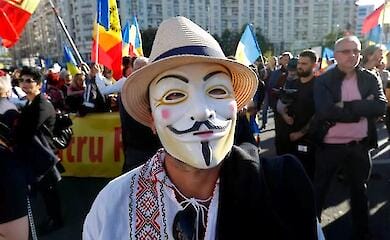
How Russian propaganda works in Germany. Investigation
- Home
- Overseas
- Misinfo Monitor
- How Russian propaganda works in Germany. Investigation


A silent war is being waged in Germany - a war of narratives and influence. Russian disinformation campaigns are strategically targeting the country, exploiting societal rifts to destabilize and manipulate public opinion, particularly regarding the war in Ukraine.
Central to these narratives are claims portraying Ukrainian refugees as public health or security risks, assertions of rampant Russophobia in Western societies, attempts to reverse the victim-perpetrator roles in the conflict, and spreading the false notion that Ukraine is a neo-Nazi regime. This article aims to navigate main Russian disinformation campaigns in Germany.
The Federal Office for the Protection of the Constitution's recent annual report has shed light on the growing influence of Russian propaganda in Germany. The report underscores the heightened threat of espionage, illegitimate influence, disinformation campaigns, and cyber attacks, exacerbated by Russia's war of aggression against Ukraine.
Major Threat Actors: The primary actors in these activities against Germany are identified as the Russian Federation, the People's Republic of China, and the Islamic Republic of Iran, each with distinct focuses.
Disinformation Tactics: In the realm of disinformation, there is an increasing use of social media channels by state or state-affiliated actors to disseminate content and narratives to broad audiences.
The report highlights a significant increase in the number of right-wing extremists, with the count rising to 38,800 in 2021 from 33,900 in the previous year. The proportion of violent right-wing extremists also saw a rise to 14,000, up from 13,500. The main themes of right-wing extremist agitation shifted from protests against corona protection measures to focusing on the consequences of the Russian attack on Ukraine, like high inflation and the energy crisis. When these topics did not resonate widely, the narrative reverted to migration issues.
The number of "Reich citizens" and "self-managers" grew by 2,000, reaching a total of 23,000, with 2,300 being violence-oriented, an increase from 2,100 in 2021. This rise is attributed to the protests against state corona protection measures.
Russian state propaganda narratives have been predominantly adopted by "Reich citizens" and "self-managers" when addressing Russia's war of aggression against Ukraine.
Additionally, the U.S. Department of State has highlighted several instances of Russian disinformation aimed at portraying Ukraine and its government as the aggressors in the war. This includes falsely accusing the West of pushing Ukraine towards conflict and claiming that Russia’s deployment of combat forces is merely repositioning troops on its own territory. Other disinformation includes allegations of planned U.S. chemical weapons attacks in Donbas and claims that Russia is defending ethnic Russians in Ukraine. There's also the narrative that NATO has been hostile towards Russia since the end of the Cold War.


Russian State Media in Germany Post-YouTube Ban
Persistent Digital Presence of RT DE
Despite YouTube's ban on channels like RT and Sputnik following Russia's full-scale invasion of Ukraine, RT DE's digital presence remains robust. Before the ban, RT DE was a formidable force on Telegram, ranking impressively in shares among media outlets. Even now, on Odysee - a platform increasingly associated with far-right groups - RT DE's account persists with thousands of followers. Odysee's declaration of political neutrality allows RT DE to continue its operations, untouched by the controversies surrounding its content.
SNA becomes Satellit
In the face of the YouTube ban, SNA News - also known as Sputnik - quickly adapted, guiding its audience to a new Telegram channel, Satellit. Initially, Satellit made no secret of its legacy, regularly sharing content from SNA. However, the strategy shifted as German media began to spotlight the connection. Satellit has since scrubbed its platforms of SNA references, rebranding and establishing itself as a separate entity.
The Emergence of Bloß mit Biss (BmB)
Bloß mit Biss (BmB) emerged as a new player, gaining traction on TikTok and Instagram with its snappy, critical videos of German politicians, particularly from the Greens. BmB TikTok account is now banned, but podcasts are available on various platforms such as Apple Podcasts, Google Podcasts, Podcast.DE, Deezer, Mave, and Castbox.
The content strategy of BmB is noteworthy for its selective critique and praise of political figures. While it casts the Greens in a negative light, it portrays politicians from the AfD and figures like Sahra Wagenknecht in a positive light, framing them as clear-eyed and reasonable in the context of the war in Ukraine.
The resilience of Russian state-affiliated media in the German digital space is evident through the adaptation and diversification of their platforms and content. Even as traditional outlets face restrictions, these organizations find new ways to reach audiences, maintain influence, and propagate their narratives amidst global events.
Conspiracy-theory in German Telegram Channels
In the digital underbelly of German social media, Telegram channels are hotspots for conspiracy theories and disinformation campaigns. These channels exploit a range of topics, from anti-Russian sanctions to biolab conspiracies in Ukraine. Here’s a closer look at some key players:
Eva Herman: Herman's posts frequently criticize German internal policies, often citing sources like Tichys Einblick and The Epoch Times. She portrays Germany as a nation in decline, lamenting the alleged ruin of its once-envied state structures and economy.
Freie Sachsen: With over 150,000 subscribers, this channel is a platform for 'Mondays for Future', a far-right counter to the climate-focused Fridays for Future. It heavily promotes anti-migrant sentiments, often framing incidents in Dresden as examples of migrant violence. The channel also shows a clear pro-Russian stance.
Ken Jebsen: Hosting nearly 145,000 subscribers, Jebsen's channel is known for its attacks on the Green party, framing them as disconnected from scientific reality and thus dangerous. The channel also delves into conspiracy theories, such as questioning the origins of the COVID-19 virus.
Alina Lipp: Once a Green party supporter, Lipp now aligns with pro-Kremlin views. Her posts often cast Russia as a savior in Ukraine, deny Russian military crimes, and portray Ukrainian refugees in Germany negatively. She claims to be an official war reporter for Russian state media.
Infrared: A channel founded by former RT employees, Infrared, with over 18,000 subscribers, now focuses on German internal narratives. It often attacks the Green party, accusing them of abandoning progressive values for right-wing policies.
QAnon in Germany: Spreading Conspiracies on Putin, Zelensky, and Biolabs
QAnon, a group known for its far-reaching conspiracy theories, has been actively promoting various narratives through different Telegram channels. These narratives range from global geopolitics to specific accusations against political figures.
Positive View of Putin: QAnon followers, particularly on channels like "Qlobal Change," have consistently portrayed Russian President Vladimir Putin in a favorable light. They perceive the invasion of Ukraine as a strategic move by Russia to dismantle the alleged deep state in Kyiv.
Zelensky as a CIA Agent: Another prevailing narrative within QAnon circles, especially on "Qlobal Change," is that Ukrainian President Volodymyr Zelensky's rise to power is an orchestrated manipulation by global elites, positioning him as a puppet of the CIA.
Alliance Narrative: The "Qlobal Change" channel also discusses a supposed alliance between North Korea and Russia, suggesting this coalition is designed to counter Western plans in Ukraine and could expedite Ukraine's defeat despite NATO support.
Biolabs-in-Ukraine Conspiracy: The narrative of US-operated biolabs in Ukraine is heavily promoted, particularly by "Qlobal Change" on Substack, where they claim to analyze the military and biological activities of the United States and its allies in Ukraine.


"Anti-Spiegel.ru": A Platform for Pro-Russian Propaganda and Conspiracy Theories
"Anti-Spiegel.ru," led by chief editor Thomas Röper, positions itself as an alternative to established investigative media, but heavily leans on pro-Russian war propaganda and conspiracy ideologies.
Key Narratives:
Economic Catastrophe in Germany: "Anti-Spiegel.ru" has published content suggesting the German government is leading the country towards an economic disaster. This narrative plays into fears of economic instability in Germany.
Denying Russian Atrocities: The site has published multiple articles claiming the Russian army was not responsible for massacres of Ukrainian civilians, directly contradicting reports from independent sources and eyewitness accounts.
Framing Ukraine Conflict as a Proxy War: "Anti-Spiegel.ru" promotes the narrative that the conflict in Ukraine is a proxy war between the USA and Russia, diverting attention from Russia's direct involvement.
Collaboration with Pro-Russian Journalists: Röper reportedly maintains contact with other pro-Putin journalists like Alina Lipp and supports narratives that portray Russian intervention in Ukraine as a liberation effort.
The Great Reset Conspiracy: "Anti-Spiegel.ru" endorses the "Great Reset" conspiracy theory, which falsely claims that global elites are using the COVID-19 pandemic to impose a new world order. The theory distorts legitimate discussions about economic recovery and systemic change.
"Anti-Spiegel.ru" represents a significant vector for the dissemination of pro-Russian propaganda and conspiracy theories in the German-speaking world. Its narratives and content, ranging from economic fears to misrepresenting geopolitical conflicts, contribute to shaping public perception and discourse, often aligning with Kremlin's interests.
"Extremnews": A Hub of Conspiracy Theories and Pro-Russian Sentiment
"Extremnews," managed by Thorsten Schmitt from Brauerschwend, presents itself as a counter to mainstream media, but in reality, it's a prominent source of conspiracy theories and fake news within the Truther scene.
Key Narratives:
Pro-Russian War Stance: Extremnews has taken a clear pro-Russian position in the war, often citing Russian and occupational sources. This stance reflects a broader tendency within certain media circles to align with Russian perspectives in geopolitical conflicts.
COVID-19 Conspiracy Theories: The platform has amplified voices like Sucharit Bhakdi, a retired Thai-German microbiologist known for spreading misinformation about the COVID-19 pandemic. Bhakdi has claimed the pandemic is fake and that COVID-19 vaccines pose a global threat, narratives that Extremnews has propagated.
Extremnews describes its mission as providing "real and true journalism," which it claims has been compromised in many editorial offices today. Despite this self-proclaimed dedication to truth, the content it distributes, both on its website and via its YouTube channel, often veers into the territory of unverified and sensationalist claims.
Tichys Einblick founded by German journalist and publicist Roland Tichy in 2014, brands itself as a "liberal-conservative opinion magazine." It features a variety of content from economic liberalism to right-wing populism, contributed by regular columnists and guest writers focusing on political, economic, and cultural events.
Key Narratives:
Ukraine War Perspectives: The magazine views the Ukraine war as a testing ground for future warfare, discussing the roles of various international entities, including NGOs and governments.
Stance on Ukraine Conflict: "Tichys Einblick" proposes a complex position on the Ukraine conflict, suggesting that Ukraine must neither lose nor win, a stance reflecting a nuanced view of the geopolitical balance.
Advocating Traditional Values: The magazine often supports traditional values, claiming that LGBTQ rights and immigration are detrimental to German society. This aligns with conservative and right-wing populist ideologies.
COVID-19 Conspiracy Theories: "Tichys Einblick" has contributed to the spread of COVID-19 conspiracy theories, particularly targeting pharmaceutical companies and government measures related to the pandemic.
Junge Freiheit is popular among conservative and right-wing circles in Germany, have been pivotal in shaping public opinion. They've criticized the Greens, supported 'traditional values,' and spread COVID conspiracy theories. Their political commentaries range from economic liberalism to right-wing populism.
The Epoch Times with a massive following among anti-vaxxers and the far-right in Germany, is disseminating disinformation about COVID, vaccines, and migrants. They have also focused on a pro-Russian perspective on the war in Ukraine. The media is published in 21 languages in 33 countries and is affiliated with Falun Dafa Chinese movement.

Response from the German Media
According to recent studies German media pay much attention to military assistance to Ukraine and Ukrainian refugees. The media often present Ukraine as a corrupt state, ignoring the progress in this realm in recent years; also, the situation with the Russian Orthodox Church is presented as oppression. Most people there believe in the idea of the “great Russian culture” not associated with the Putin regime, and in Russia’s exceptional role in defeating Nazism. The fears, inflated by Russian propaganda, that the Germans wouldn’t be able to live without Russian energy did not materialise, and now society perceives sanctions against Russia with less fear.
Summer reports from German media have cast a shadow of doubt over the progress and potential success of the Ukrainian counteroffensive. Headlines such as "What if the Ukrainian offensive fails?" from RND and "Ukraine’s counteroffensive: a new front and an insurmountable problem" by Tagesspiegel contribute to a narrative of skepticism. Die Zeit questions the advancement with pieces titled "Why the Ukrainian offensive is not moving forward" and "How Ukraine is changing tactics," highlighting possible shifts in strategy amidst challenges. Further adding to the cautious outlook, NZZ discusses the grueling reality on the ground with "Minefields and helicopters - Ukrainian offensive is progressing slowly despite Western weapons," implying that even with international support, the path ahead is fraught with difficulties. T-online starkly suggests that "A nightmare could be the result," painting a grim picture of the consequences should the counteroffensive falter. Collectively, these materials suggest a sense of unease and contemplation about the future of Ukraine's military efforts.
Overlook at the Russia's Disinformation Campaign in Germany
The ongoing struggle against Russian disinformation in Germany presents a formidable challenge to the European Union's efforts to counter propaganda related to the invasion of Ukraine. Far-right and conspiracy circles in Germany have proven particularly susceptible to Russian disinformation, actively promoting narratives that align with Moscow's interests.
Key Strategies of Russian Disinformation
Deny: Russia consistently denies involvement in military escalations against Ukraine, undermining the credibility of sources that contradict their narratives. Despite clear evidence to the contrary, Russia refutes its role in the conflict and makes baseless claims about Ukrainian atrocities and Western support for supposed weapons of mass destruction in Ukraine.
Distort: The Russian narrative misrepresents its invasion as a 'special operation', blatantly avoiding the term 'war'. This manipulation of information extends to falsely accusing the U.S. and Europe of waging war against them, a mischaracterization that distorts historical parallels with WWII.
Distract: To divert attention from its actions, Russia portrays Ukraine as an aggressor led by a neo-Nazi regime, a claim that blatantly ignores Ukraine's democratic leadership. Russia attempts to overshadow its war crimes by accusing Ukraine of orchestrating massacres, despite independent media documentation of Russia's atrocities.
Unsettle: Russia's narrative strategy includes creating a sense of impending threat to instill fear and limit political action. This involves threats of escalation, including nuclear and economic crises. Russia alleges that international reactions are driven by 'Russophobia', attempting to blur its violations of international law. However, the German public generally distinguishes between the Russian government and Russian citizens, with minimal discrimination against Russian institutions and individuals in Germany.
These tactics collectively aim at shaping public opinion and narrative, creating confusion and doubt, and promoting Russia's geopolitical interests and narratives in the context of the war in Ukraine.


The article was written as part of a project aimed at combating misinformation spread by the Russian Federation about refugees from Ukraine in the European Union. It covers large-scale monitoring of online media in several EU countries, including Germany, Austria, the Czech Republic, Poland, Romania and Moldova. The media monitoring was conducted in November 2023. The project is supported by CRDF Global. You can also read an article about which Austrian and Polish media outlets are spreading Russian propaganda.
Maria Grynevych, project manager, journalist, co-author of Guidebook Sacred Mountains of the Dnieper Region, Lecture Course: Cult Topography of the Middle Dnieper Region.
Related news
Berlin suggested that Ukraine reduce the number of men leaving the country for the EU


Kellogg named the ceasefire condition today and compared Putin to Nicholas II


Britain says under what circumstances Putin will start a war in Europe
Popular news
Orban announces "results" of Hungarian mission on Druzhba oil pipeline


Will maternity leave be shortened in Ukraine? Changes for workers with children

Zelensky said that Russia was preparing a new offensive and pointed out the direction of it
Kellogg named the ceasefire condition today and compared Putin to Nicholas II
News about war
Orban announces "results" of Hungarian mission on Druzhba oil pipeline
Kellogg named the ceasefire condition today and compared Putin to Nicholas II
Zelensky said that Russia was preparing a new offensive and pointed out the direction of it
Russia is destroying Ukraine twice as fast as at the start of the war - international report