

How parents can prevent obesity in very young children
- Home
- Life
- Healthy lifestyle
- How parents can prevent obesity in very young children


Adding text messages and email reminders helps parents foster healthy habits in their children.
A new study by clinician-researchers at Johns Hopkins Children's Center shows that adding text messages and other electronic reminders to traditional clinic consultations helps parents prevent the development of obesity in very young children. This, in turn, reduces the risk of lifelong obesity-related problems.
The findings of the study, led by Eliana Perrin, MD, PhD, professor of primary care at Johns Hopkins University, will be published in the journal JAMA and presented at the Obesity Research Society's Obesity Week event in San Antonio, which runs from 3-6 November.
The study builds on years of evidence showing that obesity in early childhood significantly increases the risk of lifelong obesity, cardiovascular disease, diabetes and other serious health conditions, especially among low-income and ethnic minorities.
According to the U.S. Centers for Disease Control and Prevention, about 1 in 5 school-aged children were obese in 2017-2018, and these rates only increased during and after the COVID-19 pandemic. Earlier attempts to reduce this rate relied mostly on personal advice from paediatricians, with limited success.
In a previous study, Perrin's team developed the Greenlight programme, which improved healthy growth in newborns up to 18 months of age. However, the positive changes were not sustained by age 2 years.
To extend the effects, the new study focused on using digital technology to reinforce elements of the Greenlight programme. Parents received personalised, interactive text messages and access to a web-based platform to track progress towards healthy goals.
The study involved nearly 900 parent-infant pairs from six health care facilities in the United States. All children were younger than 21 days old at the start of the study. Participants were ethnically diverse, and more than 55% had limited health literacy.
Results showed that children whose parents received both digital reminders and face-to-face counselling had healthier growth patterns in the first two years of life. By 24 months of age, 7% of children in the digital group were obese, compared to nearly 13% in the group that received only in-clinic counselling - a 45% reduction in risk.
The researchers concluded that digital interventions combined with face-to-face counselling lead to healthier weights in children and reduce the incidence of obesity by 2 years of age. This is particularly important in populations at high risk of obesity.
Most young children with obesity don't outgrow it," Perrin notes. - Our study shows that we can prevent children from developing an unhealthy weight and help them grow up healthier, which will have a positive impact on their health throughout their lives.
The researchers hope to continue following participants as they grow older to assess the long-term effects of the intervention.
Elena Rasenko writes about science, healthy living and psychology news, and shares her work-life balance tips and tricks.
Related news
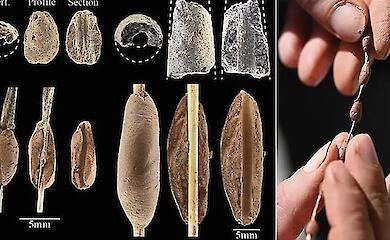
Archaeologists have found children's fingerprints in 15,000-year-old clay


'If you have kidney stones, you need to drink more water'. Scientists have tested a well-known myth




Scientists have discovered how a father's health affects his child before conception
Popular news
Orban announces "results" of Hungarian mission on Druzhba oil pipeline

Will maternity leave be shortened in Ukraine? Changes for workers with children


Zelensky said that Russia was preparing a new offensive and pointed out the direction of it

Kellogg named the ceasefire condition today and compared Putin to Nicholas II

News about war
Orban announces "results" of Hungarian mission on Druzhba oil pipeline
Kellogg named the ceasefire condition today and compared Putin to Nicholas II
Zelensky said that Russia was preparing a new offensive and pointed out the direction of it

Russia is destroying Ukraine twice as fast as at the start of the war - international report