


Fibre vs cancer: how food changes the way genes work
- Home
- Life
- Healthy lifestyle
- Fibre vs cancer: how food changes the way genes work


Scientists at Stanford University Medical Center have found that fibre intake directly affects our genes and may have anti-cancer effects.
Although it has long been known that fibre is good for digestion, less than 10% of US residents eat it in adequate amounts. A new study, has revealed a specific mechanism that explains how fibre helps our bodies protect against cancer.
Source: "Short-chain fatty acid metabolites propionate and butyrate are unique epigenetic regulatory elements linking diet, metabolism and gene expression", Nature Metabolism (2025). DOI: 10.1038/s42255-024-01191-9
When we eat foods rich in fibre (beans, nuts, avocados and cruciferous vegetables like broccoli and cauliflower), bacteria in our gut "digest" them and produce short-chain fatty acids (SCFAs), particularly propionate and butyrate. It used to be suspected that these substances could affect genes, but researchers didn't have a firm grasp on exactly how this happens.
The new work provides the answer: propionate and butyrate, produced when fibre is broken down, lead to epigenetic changes (that is, changes in how genes work without changing their underlying structure) in intestinal cells. The scientists studied changes in the genes of healthy cells, human colon cancer cells, and in laboratory mice.
The results showed that CCFAs cause "switching on" and "switching off" certain genes involved in cell reproduction, differentiation and in the mechanism of programmed cell death (apoptosis). All this helps to slow down or prevent uncontrolled cell division characteristic of cancer processes.
According to Professor Michael Snyder, one of the study's authors, the findings have broad relevance because short-chain fatty acids are able to travel throughout the body, which means they can affect many organs, not just the gut. Given the increasing incidence of colorectal cancer in young people in recent years, it is important to re-emphasise the role of nutrition in preventing the disease.
Scientists emphasise that modern diets are often poor in fibre, and our microbiome is "deficient" in vital nutrition. This causes the body to produce less propionate and butyrate, which means we lose some of our natural defences against cancer and other diseases.
According to the researchers, understanding how and which specific genes are affected by fibre could help health professionals develop personalised cancer treatment strategies.
Maria Grynevych, project manager, journalist, co-author of Guidebook Sacred Mountains of the Dnieper Region, Lecture Course: Cult Topography of the Middle Dnieper Region.
Related news

'If you have kidney stones, you need to drink more water'. Scientists have tested a well-known myth




Scientists have discovered how a father's health affects his child before conception
Popular news
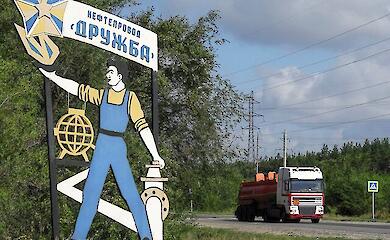
Orban announces "results" of Hungarian mission on Druzhba oil pipeline


Will maternity leave be shortened in Ukraine? Changes for workers with children


Zelensky said that Russia was preparing a new offensive and pointed out the direction of it

Kellogg named the ceasefire condition today and compared Putin to Nicholas II

News about war
Orban announces "results" of Hungarian mission on Druzhba oil pipeline
Kellogg named the ceasefire condition today and compared Putin to Nicholas II
Zelensky said that Russia was preparing a new offensive and pointed out the direction of it

Russia is destroying Ukraine twice as fast as at the start of the war - international report