


Even 3,000 steps a day reduces the risk of Alzheimer's disease in older adults


Even a little physical activity can protect the brain from Alzheimer's disease - and it works in a very different way than scientists expected.
This was the conclusion reached by researchers who observed nearly 300 older adults with early signs of neurodegenerative changes in the brain over a period of nine to 11 years, The Conversation reports.
All study participants wore pedometers to track physical activity. It turned out that those who moved more did not have a reduction in the number of toxic amyloid plaques, the primary target of most current Alzheimer's drugs. However, these people were significantly slower to accumulate abnormal tau proteins, another important marker of the disease associated with memory impairment and cognitive decline.
Active participants showed almost 50 per cent weaker signs of dementia than those with sedentary lifestyles. Moreover, the positive effect was already evident at 3 thousand steps per day - this is about half an hour of walking at a moderate pace. The best result was observed at 5-7.5 thousand steps. Higher values did not provide additional benefits, making the goal quite achievable for elderly and sedentary people.
The researchers emphasise that the sample included a limited number of participants - mostly educated white US residents - and did not take into account other lifestyle factors such as nutrition or stress levels. Nevertheless, the results confirm the findings of previous studies: physical activity markedly reduces the risk of dementia.
For example, a British study of more than a thousand people over the age of 50 found that moderate to vigorous physical activity reduced the risk of dementia by 34-50 per cent. In those who did get the disease, activity helped them retain their memory longer, especially in women.
Another large study in the UK 2022 with 78 thousand people found: even 3800 steps a day reduces the risk of dementia by 25%, and at almost 10 thousand steps - by 50%.
Scientists note that physical activity improves heart function, sleep and metabolism, reducing the risk of diabetes and hypertension, and therefore protects the brain on several fronts at once. In addition, movement stimulates the production of substances that maintain neuronal connections, particularly irisin, a hormone that has been shown to influence the mechanisms of inflammation and brain damage in Alzheimer's disease.
However, the link can also be reversed: early symptoms of the disease, such as hearing problems or reduced motivation, often lead to a person moving less. This sets off a "vicious cycle": less activity accelerates cognitive deterioration.
Researchers note that even light walking, especially outdoors, can provide tangible benefits. Walking in a park or on nature trails improves mood, sleep and reduces feelings of isolation - all factors that influence the development of dementia.
"Even a short walk can make a difference," the authors note. - You don't need a marathon - just half an hour of movement a day is enough to keep your brain healthy."
Maria Grynevych, project manager, journalist, co-author of Guidebook Sacred Mountains of the Dnieper Region, Lecture Course: Cult Topography of the Middle Dnieper Region.
Related news
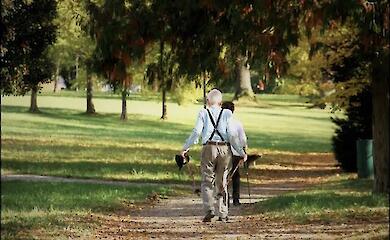



Scientists have found that exercise can significantly improve sleep


Ukrainian judokas won a full set of medals at the Grand Prix stage in Linz

Popular news
Orban announces "results" of Hungarian mission on Druzhba oil pipeline

Will maternity leave be shortened in Ukraine? Changes for workers with children


Zelensky said that Russia was preparing a new offensive and pointed out the direction of it

Kellogg named the ceasefire condition today and compared Putin to Nicholas II

News about war
Orban announces "results" of Hungarian mission on Druzhba oil pipeline
Kellogg named the ceasefire condition today and compared Putin to Nicholas II
Zelensky said that Russia was preparing a new offensive and pointed out the direction of it

Russia is destroying Ukraine twice as fast as at the start of the war - international report